A FIRST LOOK · COUNTRY INTRODUCTION
Mexico on film
A taste of the country, then a closer look at its capital. Begin with neighbourhoods, museums and the stories of Mexico City.
Explore Mexico City →Suggested stay: 4 to 5 nights

Choose a state on the map, or scroll down to explore cities, attractions and local places to stay.
A FIRST LOOK · COUNTRY INTRODUCTION
A taste of the country, then a closer look at its capital. Begin with neighbourhoods, museums and the stories of Mexico City.
Explore Mexico City →Suggested stay: 4 to 5 nights

FIRST-TIME HIGHLIGHT
Caribbean beaches, Maya stories & island days
Explore Cancún →Suggested stay: 3 to 5 nights

FIRST-TIME HIGHLIGHT
Maya heritage, shaded plazas & a base for the Puuc region
Explore Mérida →Suggested stay: 3 to 4 nights

FIRST-TIME HIGHLIGHT
Markets, textiles & an ancient city above the valley
Explore Oaxaca →Suggested stay: 3 to 4 nights

FIRST-TIME HIGHLIGHT
Historic plazas, murals & living craft traditions
Explore Guadalajara →Suggested stay: 3 to 4 nights

FIRST-TIME HIGHLIGHT
Seafront art, hillside streets & a bay to explore thoughtfully
Explore Puerto Vallarta →Suggested stay: 3 to 5 nights
Mining towns, working traditions and places worth a longer look. These are different perspectives, not a promise of empty streets.

BEYOND THE BEATEN PATH
Colourful lanes, mining history & steep little surprises
Explore Guanajuato →Suggested stay: 2 to 3 nights

BEYOND THE BEATEN PATH
Historic streets, working art spaces & time to linger
Explore San Miguel de Allende →Suggested stay: 2 to 3 nights

BEYOND THE BEATEN PATH
A mountain mining town with a dramatic arrival
Explore Real de Catorce →Suggested stay: 1 to 2 nights

BEYOND THE BEATEN PATH
Civic plazas, cultural spaces & a distinct highland city
Explore San Luis Potosí →Suggested stay: 2 to 3 nights

BEYOND THE BEATEN PATH
Desert science, textile traditions & an approachable historic core
Explore Saltillo →Suggested stay: 2 to 3 nights

BEYOND THE BEATEN PATH
Canyon country, marimba music & Zoque heritage
Explore Tuxtla Gutiérrez & Chiapas →Suggested stay: 2 to 3 nights

CHOOSE YOUR REGION
Sea arches, beach choices & a desert coastline
Explore Cabo San Lucas →Suggested stay: 3 to 5 nights

CHOOSE YOUR REGION
A walkable centre with separate island and inland adventures
Explore Playa del Carmen →Suggested stay: 3 to 5 nights

CHOOSE YOUR REGION
Industrial heritage, contemporary culture & mountain edges
Explore Monterrey →Suggested stay: 2 to 3 nights

CHOOSE YOUR REGION
Choose the station before you choose the hotel
Explore Copper Canyon & Chihuahua →Suggested stay: 3 to 5 nights, adjusted to the train calendar
Our original research on Acapulco, Reynosa, Taxco and Zacatecas remains available. These entries are background information, not a recommendation to travel against official advice. Check the state, route and local conditions before making plans.

READ TRAVEL ADVICE BEFORE PLANNING
A historic Pacific resort, with important travel restrictions
Explore Acapulco →Suggested stay: Plan only after reviewing current advice

READ TRAVEL ADVICE BEFORE PLANNING
Border-city background, not a leisure recommendation
Explore Reynosa →Suggested stay: No leisure itinerary recommended under current advice

READ TRAVEL ADVICE BEFORE PLANNING
Silver-working heritage, with significant travel restrictions
Explore Taxco →Suggested stay: Plan only after reviewing current advice

READ TRAVEL ADVICE BEFORE PLANNING
Mining heritage & an extraordinary cityscape, check advice first
Explore Zacatecas →Suggested stay: Plan only after reviewing current advice
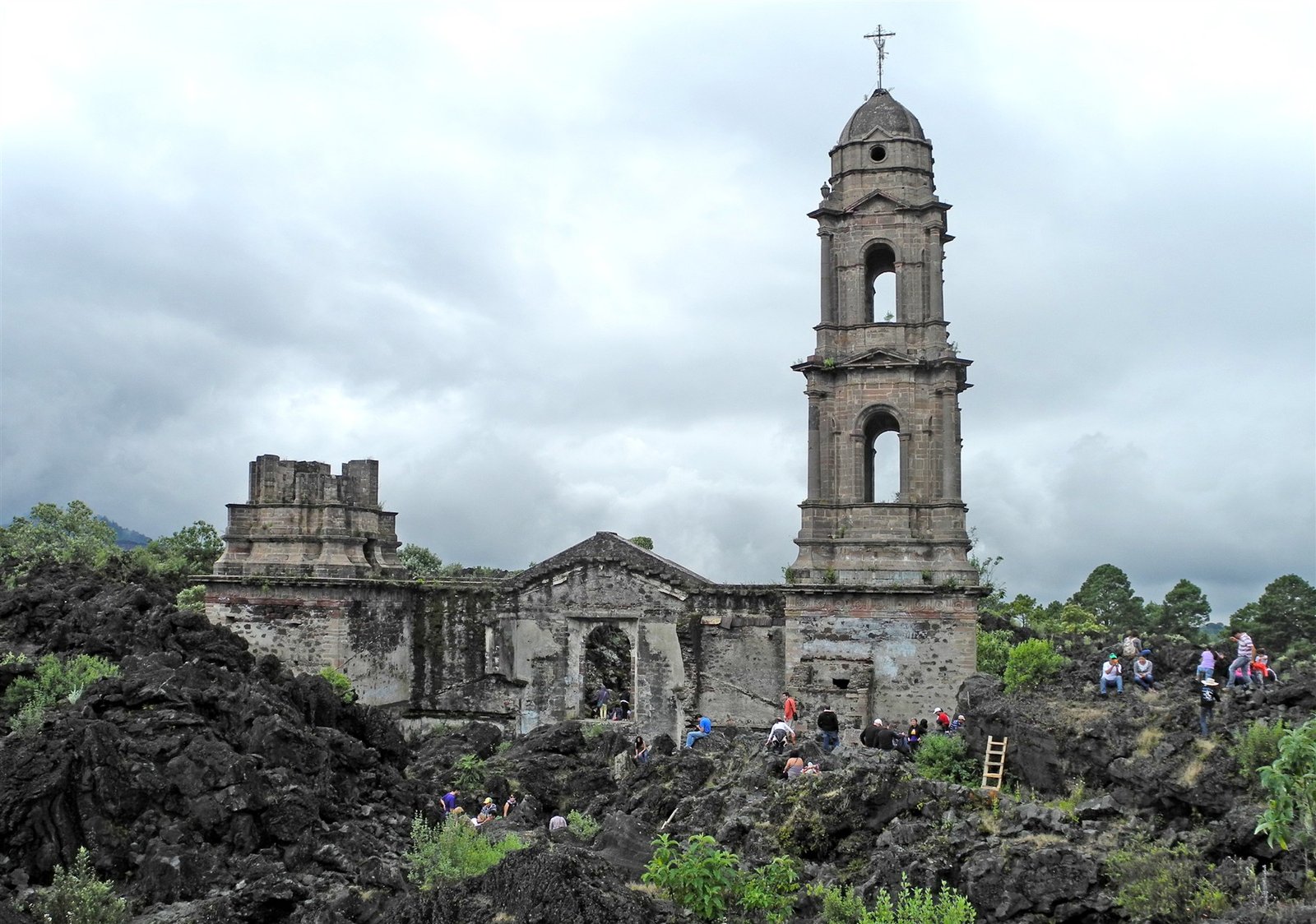
MICHOACÁN
Black lava surrounds the surviving church at San Juan Parangaricutiro. Explore the story of Parícutin and read the current regional travel advice before considering a visit.
Explore this discovery →Original ATA discovery guide, photo credits on the linked page.
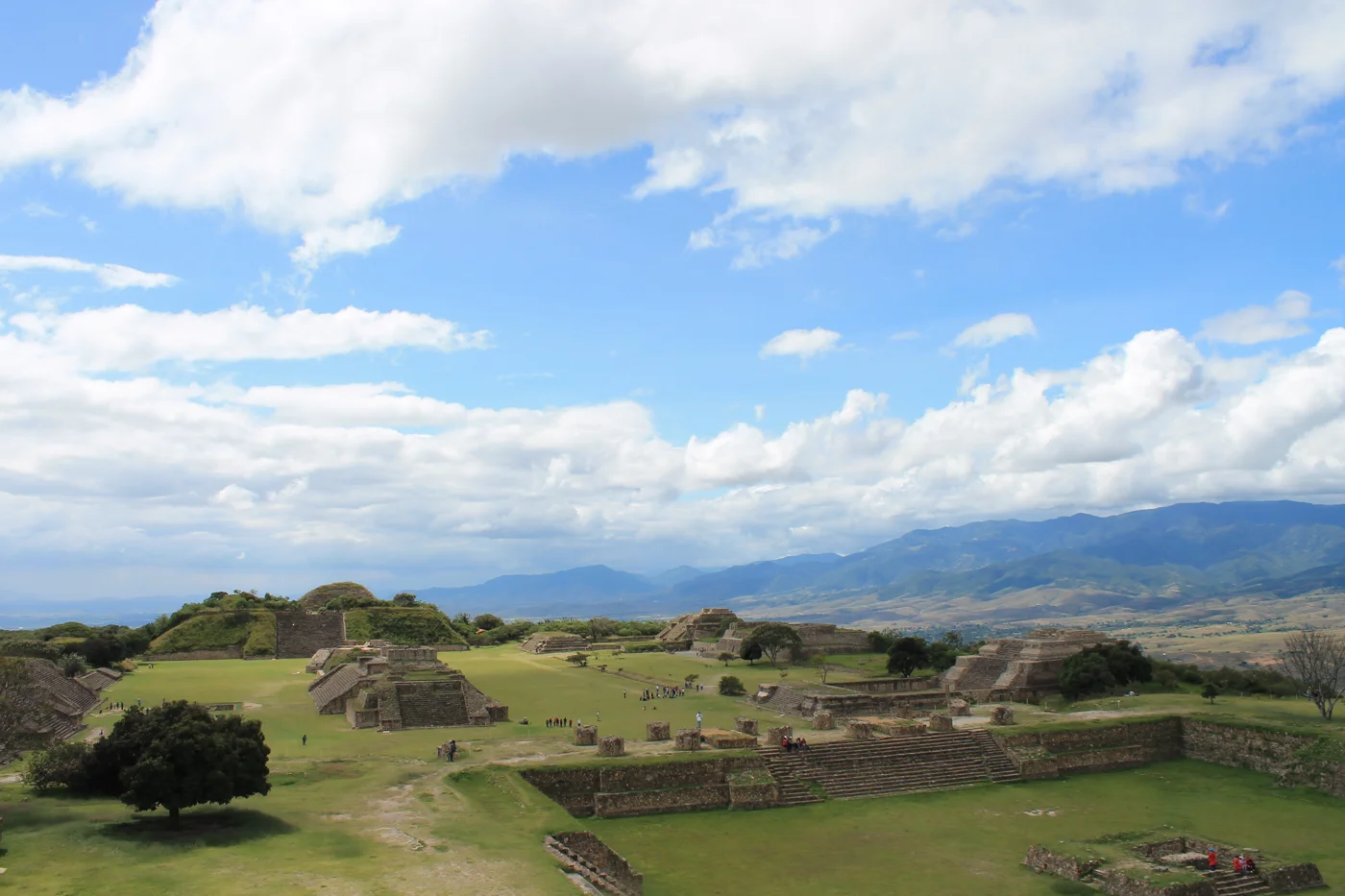
OAXACA
Step into Monte Albán, where broad plazas and ancient stonework overlook the Oaxaca valleys. Discover a Zapotec capital with a story far larger than its skyline.
Explore this discovery →Photo: DavidConFran, Wikimedia Commons · CC BY-SA 3.0 · Resized, display crop.
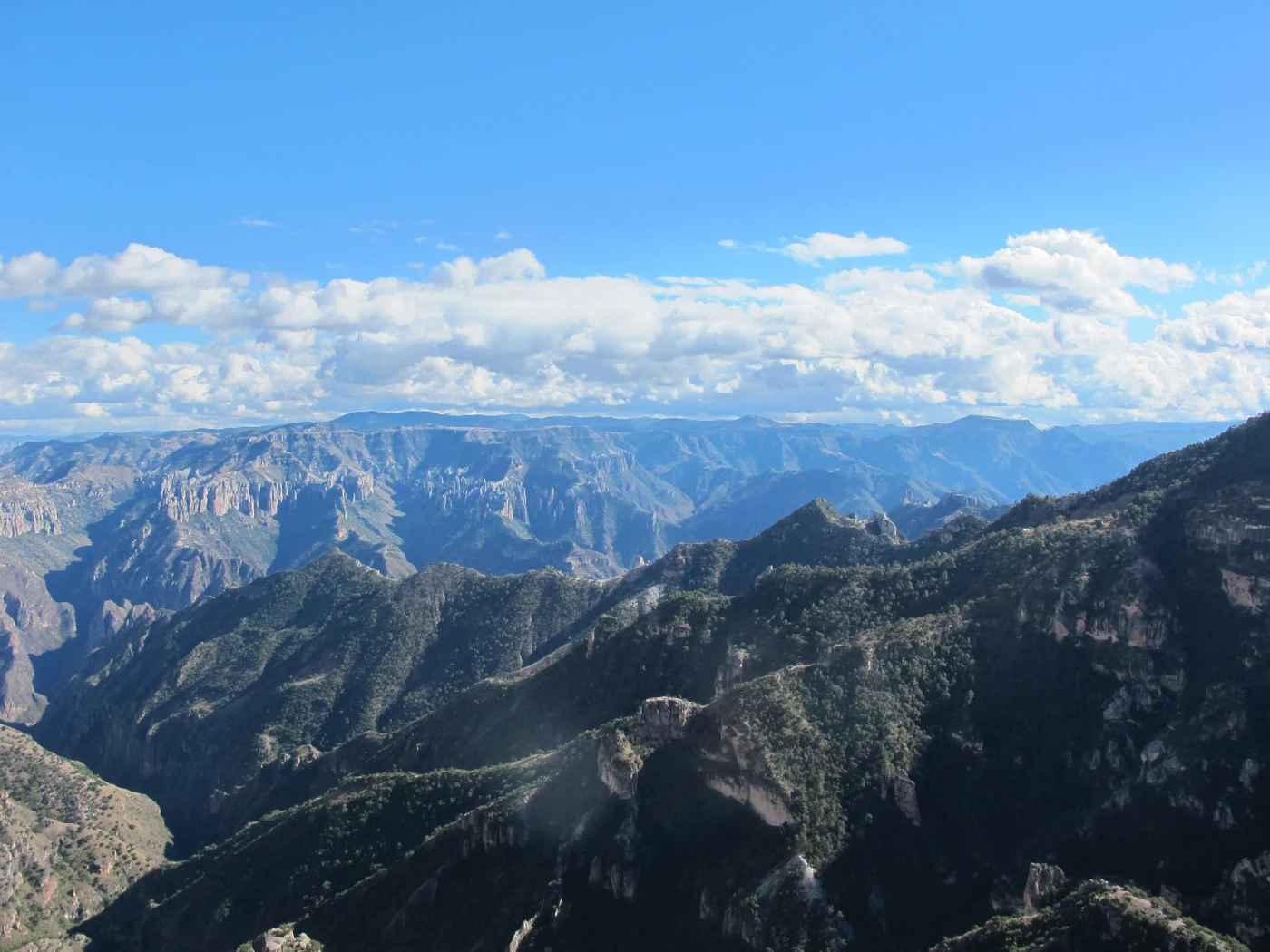
CHIHUAHUA & SINALOA
The Chepe Express connects towns and canyon country across northern Mexico. Choose your stops first, then build a journey with time to enjoy the landscape.
Explore this discovery →Divisadero canyon view: Robert FERREOL, CC BY-SA 4.0. Resized, display crop.
Use the map for orientation, then choose a named guide below. Red markers identify the additional destinations with prominent travel restrictions.
Approximate locations, not a road map. Country outline: Natural Earth, public domain. Check the complete route before travelling.
Give Guanajuato and San Miguel de Allende separate stays. Mexico City deserves its own neighbourhood days, rather than becoming a rushed stop on a long driving circuit.
Mérida offers a cultural base; Cancún and Playa del Carmen bring a different coastal setting. Plan the transfer between them and give archaeological excursions their own day.
Oaxaca, the Pacific coast and the northern canyons are separate journeys. Resist crossing Mexico simply to tick boxes. Choose the region, check transport and leave room for local discoveries.
The Mexican peso is the local currency. Keep small notes for modest purchases, ask about card acceptance and check whether a service charge is already included.
Official visitor informationAn airport, railway station or bus terminal may be far from your hotel. Confirm the final transfer and the return, especially for rural attractions. Use the transport notes in each city guide.
Choose a destinationMexico has many regional and Indigenous traditions. Start with a friendly greeting, ask before photographing people and give food, markets and everyday life time to become part of your visit.
People & cultureHeat, rain and holiday crowds affect different regions differently. Check local forecasts and attraction opening arrangements. Keep an indoor alternative and book popular visits ahead.
Plan with Visit MexicoEntry requirements depend on nationality and circumstances. Check official requirements before booking. Travel advice differs by state and route, particularly for Guerrero, Tamaulipas, Zacatecas and parts of Michoacán, Chihuahua, Sinaloa and Chiapas. A guide or a hotel listing is not an assurance that travel is suitable.
Current Mexico advice, including regional restrictions · Mexico’s National Migration InstituteAsk about steps, uneven surfaces, shade and the actual entrance route. A short distance can still be tiring in the heat. Bring drinking water, choose visits to suit everyone and confirm accessibility directly with the venue. Follow local closures and instructions.
Our earlier guide contains photographs and background that remain part of this Mexico collection. Practical details in archived material should be checked against current official information.
Explore Mexican food → Welcome to Mexico: Mexico: Embrace the Warmth, Experience the Wonder
The history of Mexico is a captivating tale of ancient civilizations, European colonization, revolutionary struggles, and cultural resilience.
Dating back thousands of years, this land has witnessed the rise and fall of powerful empires, the clash of diverse cultures, and the indomitable spirit of its people.
Long before the arrival of Europeans, Mexico was home to advanced indigenous civilizations. The Olmecs, known for their colossal stone heads, laid the foundation for future cultures around 1200 BCE.
For a short video introduction of Mexico, click below
 Past Legacies Shaping Future Triumphs
The Olmecs were followed by the Maya, whose magnificent cities dotted the landscape of the Yucatan Peninsula. The Maya excelled in astronomy, mathematics, and architecture, leaving behind awe-inspiring pyramids and intricate artwork.
Around the 13th century, the Aztecs emerged as a dominant force in Central Mexico. Their capital city, Tenochtitlan, was a marvel of engineering, built on an island in Lake Texcoco.
The Aztecs developed a complex social and political system and were known for their achievements in agriculture, trade, and art. However, their empire faced a dramatic end when Spanish conquistador Hernán Cortés arrived in 1519.
 The Fall of the Aztec Empire: Unforeseen Alliances
Cortés and his small band of conquistadors, bolstered by alliances with indigenous groups who resented Aztec rule, launched a conquest that ultimately led to the fall of the Aztec Empire in 1521. The Spanish established the Viceroyalty of New Spain, with Mexico City as its capital.
Under Spanish rule, Mexico became a key part of the vast Spanish colonial empire, contributing to the wealth of Spain through silver mining and agricultural production.
Centuries of Spanish colonization left a profound impact on Mexico. Indigenous populations were decimated by diseases brought by the Europeans, and their cultures were suppressed or assimilated into a new Spanish-Mexican mestizo identity.

However, seeds of independence were sown, fueled by Enlightenment ideals and growing discontent. The fight for independence began in the early 19th century, led by influential figures such as Miguel Hidalgo and José María Morelos.
In 1821, after years of struggle, Mexico gained its independence from Spain, establishing the First Mexican Empire. However, political instability and regional divisions plagued the young nation, leading to the Mexican-American War in the mid-19th century.
 The War's Aftermath: Territory Loss and Turmoil in Mexico
The war with the United States resulted in Mexico losing vast territories, including present-day California, Texas, Arizona, and New Mexico. This loss of territory further fueled internal conflicts, leading to a series of civil wars and dictatorial regimes.
One of the most significant events was the Mexican Revolution of 1910, a protracted armed struggle that aimed to address social inequalities, land reforms, and political rights.
The revolution, led by figures such as Emiliano Zapata and Francisco Villa, ultimately resulted in the establishment of a more democratic government and significant socio-political reforms.
 Modern Mexico: A Tapestry of Resilience, Cultural Riches, and Dynamic Progress
Mexico's modern history has been marked by periods of political stability and economic growth, intertwined with challenges such as drug trafficking, corruption, and social inequality. Throughout its history, Mexico has preserved and celebrated its rich cultural heritage. Indigenous traditions, including languages, art, and religious practices, endure alongside Spanish influences.
The country boasts a vibrant artistic scene, with world-renowned painters like Diego Rivera and Frida Kahlo leaving an indelible mark on the international art community.
Today, Mexico stands as a dynamic and diverse nation, welcoming visitors with open arms to explore its ancient ruins, colonial cities, breathtaking landscapes, and vibrant cultural traditions. Its history serves as a testament to the resilience and enduring spirit of its people, who continue to shape Mexico's identity and contribute to its ongoing narrative.
What are Mexican's really like?
Welcome to Mexico, where the sun is always on vacation too! Now, you're probably thinking of tacos and tequila - and yes, they're every bit as delicious as you've imagined. But remember, there's a whole enchilada of experiences beyond those! Step away from the beaten path and into the embrace of ancient pyramids, the echoes of colonial towns, or the jaw-dropping vistas of unexplored beaches. Keep your bargaining hat on in the lively markets - you never know when that perfect sombrero will call your name. Lastly, don't be surprised if you find yourself dancing in the streets to the rhythm of mariachi. It happens to the best of us! So sit back, grab a churro (or three), and dive into the colorful tapestry of Mexico. Safe travels, amigos and amigas :)
The original ATA destination guides, photographs and local contact links are preserved. The page was reorganized October 26, 2026. This date refers to the layout update, not a new inspection of every business.
Visit Mexico · INAH, Monte Albán · Chepe Express
Photo: DavidConFran, Wikimedia Commons · CC BY-SA 3.0 · Resized, display crop.
Video: Introducing Mexico, Lonely Planet, embedded from YouTube. Other image credits remain with the original destination and discovery pages.

