CZECH REPUBLIC · South Moravia · Essential introduction
Brno
Underground cathedrals, modernist ideas and a city that enjoys itself.
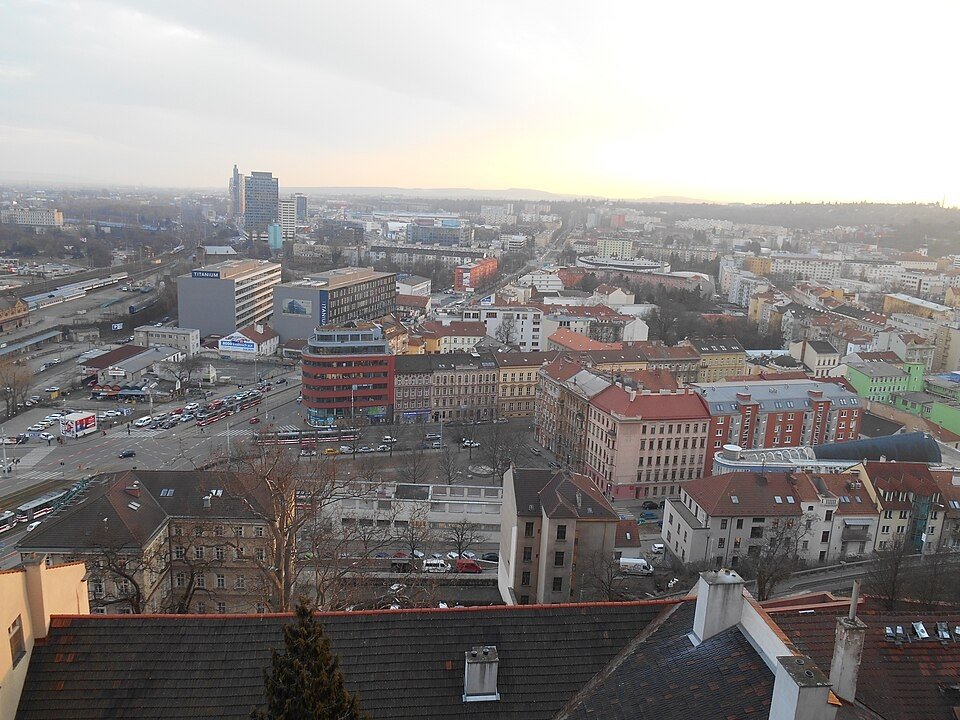
Brno mixes a lively everyday city with some wonderfully unexpected interiors. Come up from monumental water reservoirs, look across the roofs from a castle hill, then settle into a café. Architecture here stretches far beyond one period or style.
The contrast is unusually sharp: nineteenth-century water engineering becomes an underground spectacle, while Villa Tugendhat shows how radically a twentieth-century home could be imagined. Between them, Špilberk and the market quarter connect Brno’s skyline with its older working streets. A longer stay makes sense here, with distinct neighbourhoods and interiors rather than one continuous sightseeing circuit.
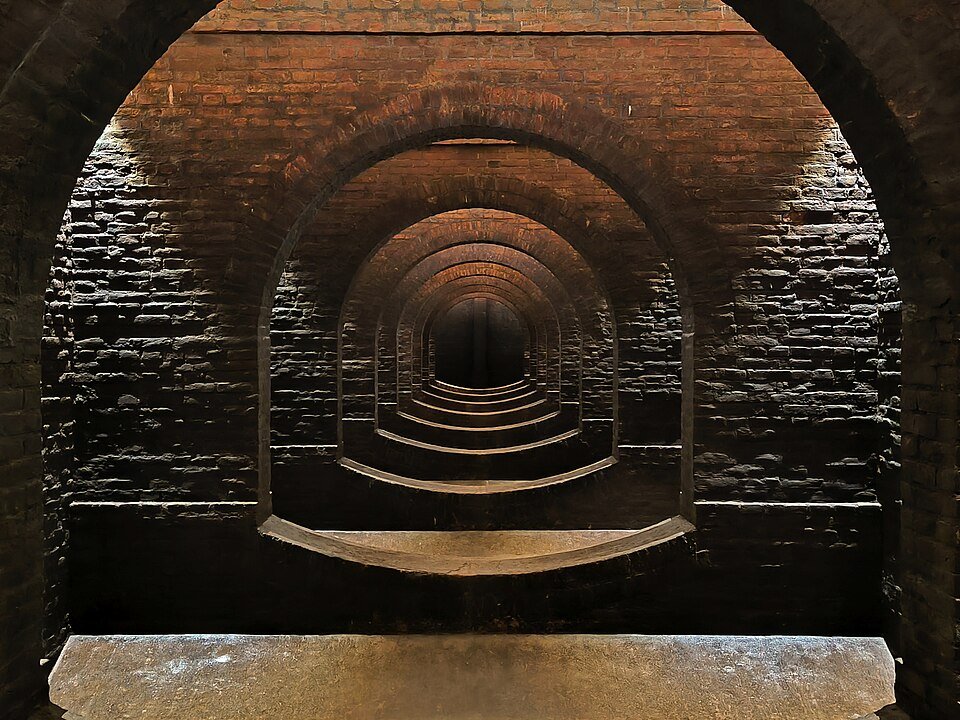
Brick-vaulted interior of the 1874 Žlutý kopec water tank. Photo: Roman Mifek · Wikimedia Commons · CC BY-SA 4.0. Cropped for display.
01
Žlutý kopec Water Tanks
Beneath a grassy park on Žlutý kopec lie three former reservoirs dating from 1874, 1894 and 1917. Two are brick structures and the third is concrete; their repeating arches, columns and immense empty volumes create quite different underground landscapes. Look at the engineering as well as the atmosphere: these were practical parts of the city’s water supply before becoming extraordinary spaces for visitors and occasional art events.
Plan your visit Book through the official operator and check route access, footwear advice and available visiting formats.
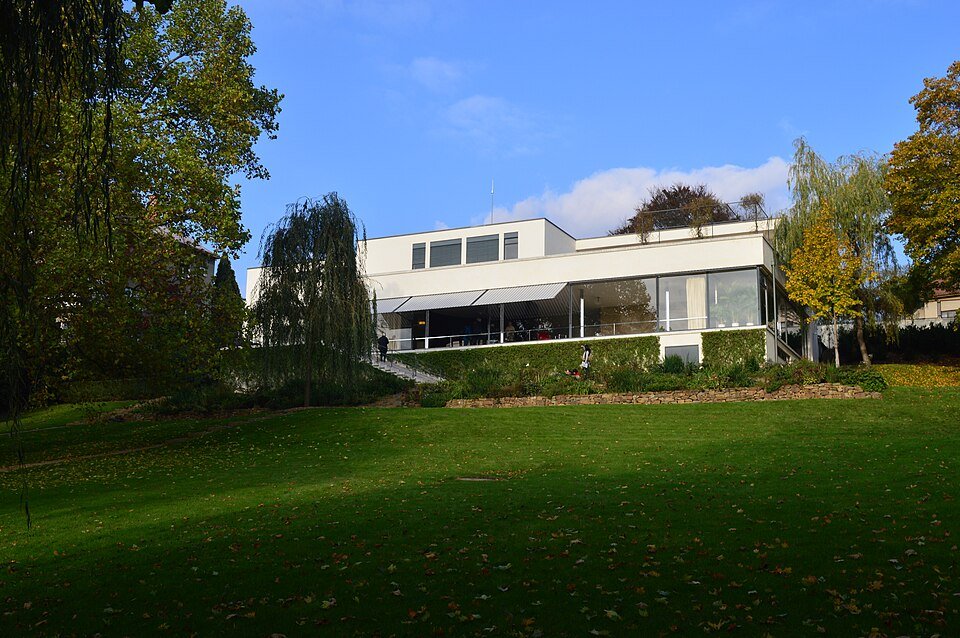
Ludwig Mies van der Rohe designed this house for Greta and Fritz Tugendhat, and it was built in 1929–1930. Its importance lies in the relationship between structure, generous living space, luxurious materials and the garden beyond the glazing. The restrained street elevation gives little warning of that openness. Different visiting formats reveal different aspects, from the garden and terraces to the main living room and technical spaces.
Plan your visit Interior visits are in demand, arrange tickets well ahead and confirm the exact tour.
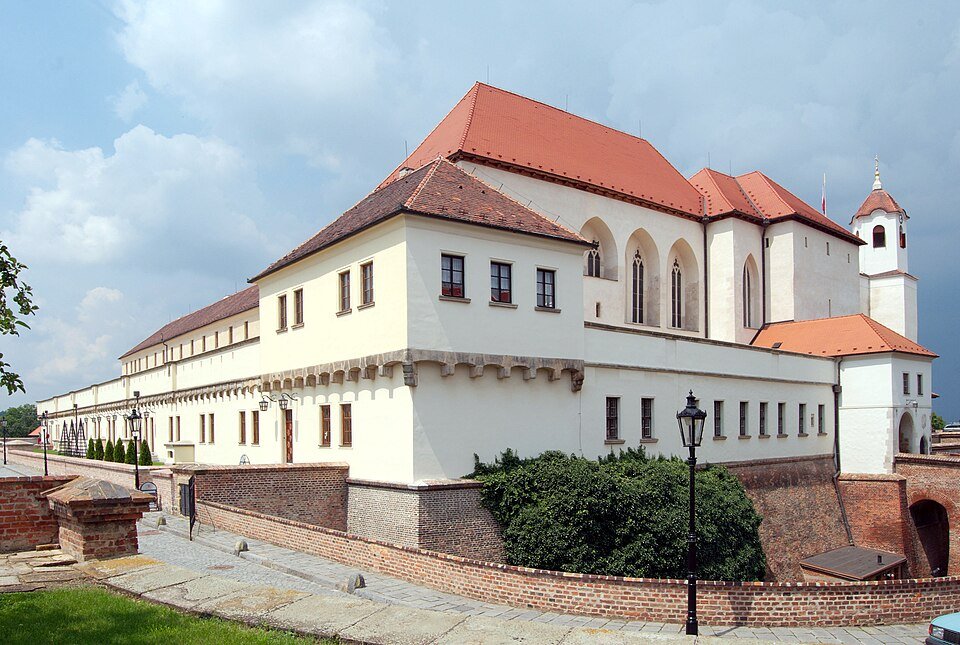
Špilberk’s pale walls and hilltop grounds frame one of Brno’s defining views, but the building also records successive changes in the city’s history. The castle’s interpretation moves through medieval origins and later alterations, including a surviving Renaissance window and rooms adapted during the Second World War. The park provides the larger setting: paths, slopes and glimpses of the centre make the approach part of the visit.
Plan your visit Choose exhibitions and tours from the current programme, some areas require separate tickets.
The old market square has long linked the sale of fresh produce with the cellars beneath surrounding houses. Below the paving, the guided labyrinth explains storage, lighting and everyday urban life through historical spaces and archaeological finds. Recreated settings, including a tavern and alchemical laboratory, supply interpretation rather than untouched medieval scenes. Above ground, the façades and changing activity of Zelný trh bring the story back into the present.
Plan your visit Use the official underground operator to compare routes and reserve a suitable tour.
Choose the visits that matter most to you, then check their official ticket pages for available dates, tour languages and entry arrangements. Keep confirmed visiting times in mind when planning your transport and hotel stay.
Start with a walk through the centre and use the regional transport planner for longer outings. Check the return connection before adding another Moravian town to your day.
The water tanks and Villa Tugendhat are separate visits with separate booking arrangements. Reserve the interiors you most want to see first, then fit the centre and Špilberk around them.
Brno has several different underground experiences. Check stairs, light levels, tour duration and access with each operator before choosing for children or anyone uncomfortable in enclosed spaces.
Start around Zelný trh and the old centre, then walk towards the cathedral viewpoints.
Keep a booked slot for the Žlutý kopec water tanks or Villa Tugendhat.
Take in Špilberk’s park and return to the centre for dinner.
A suggested outline, adjust it to opening days, bookings and your pace.
Enjoy the place, not just the sights
Pause. Taste. Stay a little.
The market streets and café scene invite lingering. Make the centre your evening base and ask locally about current restaurants and South Moravian wines, with no need to turn the visit into a checklist.
How long to stay
Two or three nights work well for the centre, the water tanks and a pre-booked architectural visit.
A useful local contact
Eat & drink.
Check the menu and availability directly, especially for a group.
Grandezza Restaurant
A central dining option at the vegetable market square. Use the restaurant’s own reservation contact to discuss your table, menu or group requirements.
Suggestions are based on location and the hotels’ published information, not personal inspections. Confirm room types, accessibility, parking and current rates directly.
Brno has good intercity rail connections and a useful tram network. Plan separate transfers for Villa Tugendhat and the water tanks rather than assuming every sight sits around the main square.