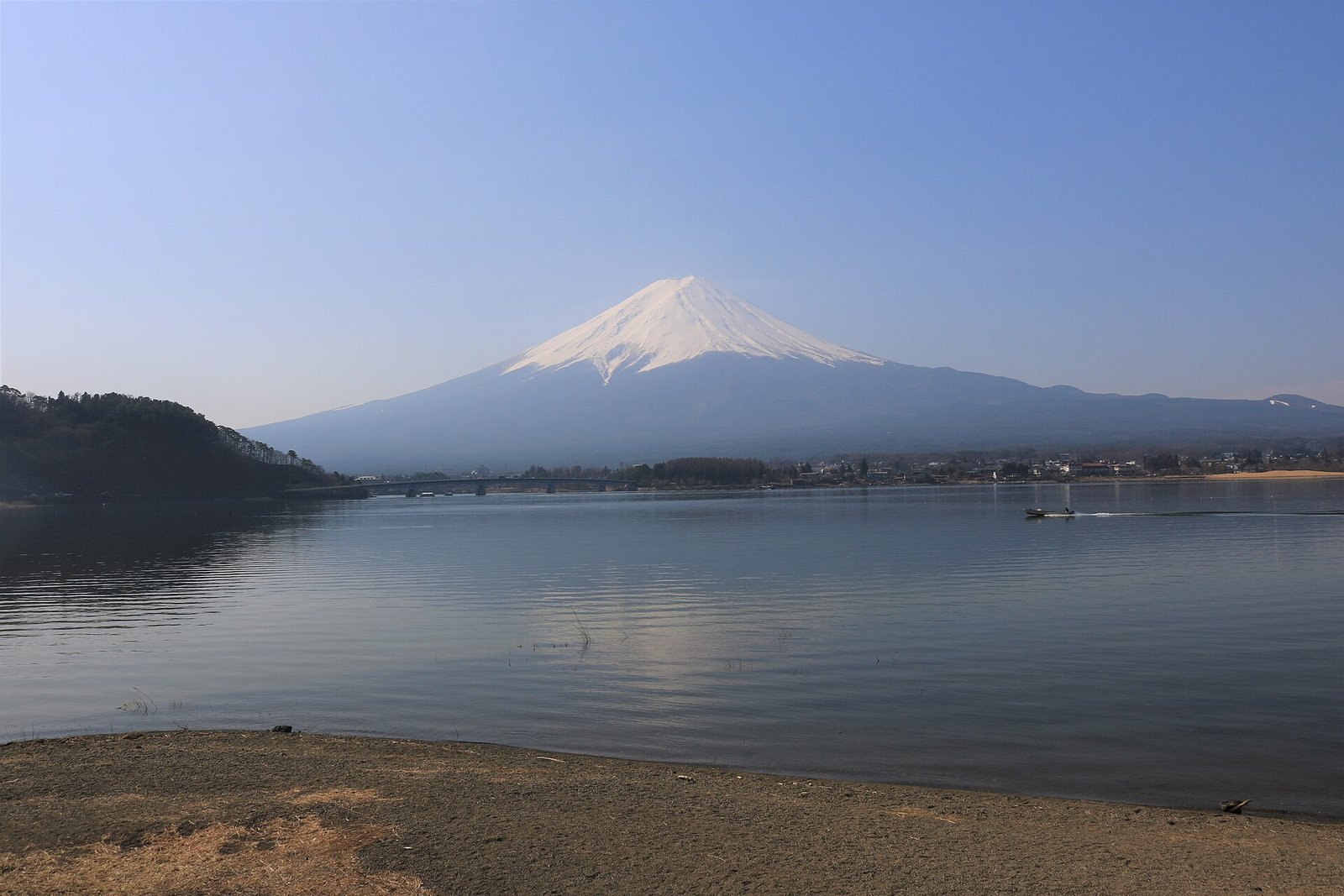
Give the mountain a landscape, and the weather a little room.
The Fuji Five Lakes occupy the northern foothills of Mount Fuji, each offering a different relationship between water, settlement and volcanic mountain scenery. Kawaguchiko is a familiar base, while Saiko and the other lakes give alternative foregrounds and a different pace. The region’s interest extends beyond a clear summit view to the landscape shaped by volcanic activity and the cultural meaning attached to Fuji. Weather and light remain part of the experience, with no guaranteed panorama.
The Fuji Five Lakes region offers a rewarding way to enjoy Mount Fuji without making a summit climb the purpose of the trip. Choose a lake-side base, a suitable walk and perhaps a cultural visit, with enough time for the mountain to appear on its own terms.
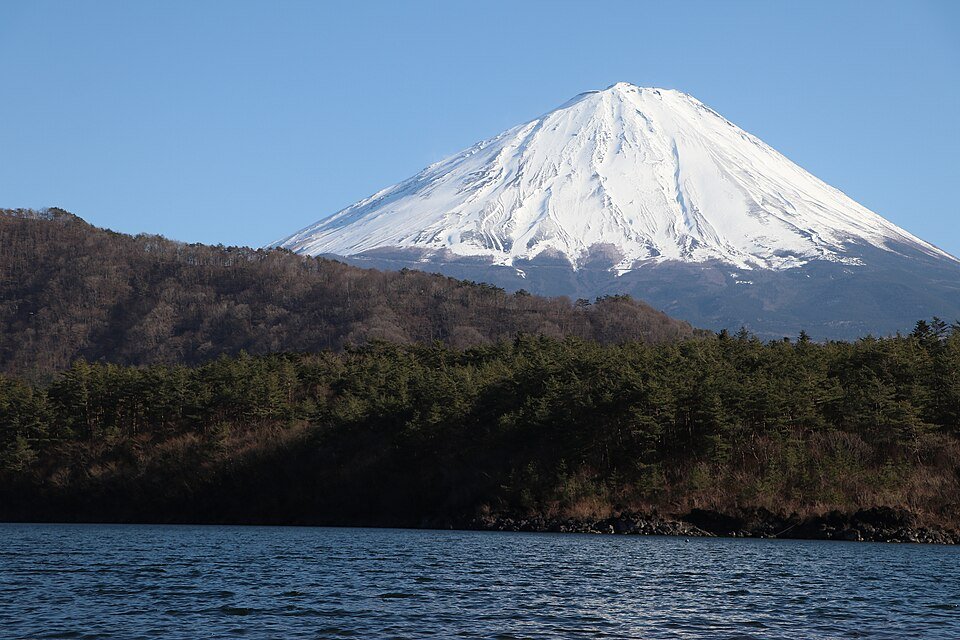
The five lakes—Kawaguchiko, Saiko, Shōjiko, Motosuko and Yamanakako—form a varied landscape around Fuji’s northern side. Their shorelines allow the mountain to be seen in changing relationships with water, wooded ridges and settlements. Volcanic activity helped shape the region’s drainage and lake basins; these are not simply five identical viewpoints. The accompanying second photograph shows Fuji across Lake Saiko. Choose a manageable area to explore, leaving room to enjoy the lake setting even when clouds conceal the summit.
Look at Fuji in relation to the lakes, settlements and changing light. A comfortable lake-side walk or an appropriate viewpoint can be more rewarding than a race between famous photo locations. The region also has museums and everyday town life for a cloudy period.
Check the current transport and weather, then choose a modest local programme. A clear mountain view cannot be guaranteed. A summit climb is a separate activity with official seasonal, reservation and access requirements; this guide describes a lake-region visit.
Access & practical needs.
Ask about the exact lakeside surface, viewpoint steps and facilities for the route you choose. Mountain weather and temperature differ from central Tokyo, so follow local forecasts and notices rather than a photograph from another season.
Getting here & a useful base.
Check the rail or coach route to the actual lake base and any reservations required, then plan local transport. Tokyo can be part of the wider trip, but an overnight stay in the region gives more flexibility than a tight same-day return.
Leave time for weather and a relaxed meal. Choose one lake area rather than trying to circle all five between long bus transfers; the experience is richer when you can stop looking at the timetable.
Official resources are linked beside the information they support. Suggested stays and routes are editorial starting points, not confirmed schedules. Property links provide direct contact, not a personal inspection or rating. Check changing details with the provider. Sources reviewed October 27, 2026.