
History of Texas
Texas, the Lone Star State, holds a rich and storied history that spans
centuries, from its indigenous roots to its emergence as an independent republic
and eventual state within the United States. From Spanish exploration to Mexican
rule, the fight for independence, and its role in the development of the
American West, Texas's history is a captivating tale of resilience, diversity,
and the spirit of independence.
The earliest chapters of Texas's history are intertwined with the indigenous
peoples who inhabited the region for thousands of years. Tribes such as the
Caddo, Apache, Comanche, and Karankawa thrived in the diverse ecosystems of
Texas, developing unique cultures and ways of life.
European exploration of Texas began in the 16th century when Spanish
conquistadors, led by the likes of Cabeza de Vaca and Francisco Vázquez de
Coronado, ventured into the territory in search of wealth and new lands to claim
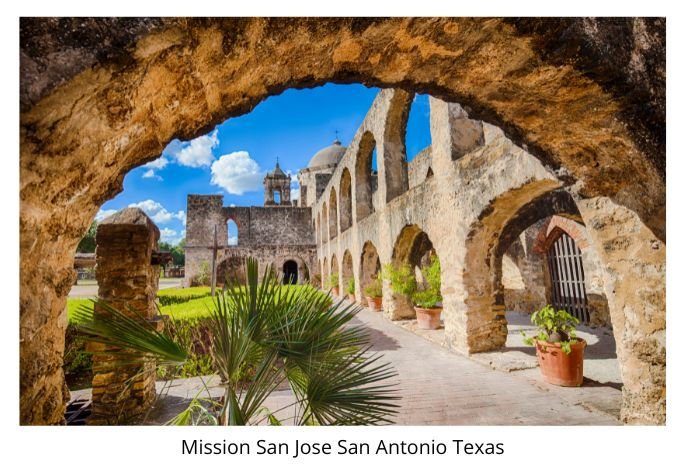
for Spain. Spanish missions were established, with the goal of converting
indigenous peoples to Christianity and expanding Spanish influence.
In the early 19th century, Texas was part of the Spanish colony of New Spain and
later the Mexican territory of Coahuila y Tejas. The region attracted a diverse
group of settlers, including Mexican ranchers, Anglo-American farmers, and
European immigrants, each bringing their own cultures, traditions, and
aspirations.
The quest for independence began in earnest in the 1830s, as tensions grew
between the Mexican government and the Texian settlers. The Battle of the Alamo
in 1836, where a small group of Texian defenders held out against overwhelming
Mexican forces, became a symbol of the fight for independence. The decisive
Battle of San Jacinto, led by General Sam Houston, resulted in a resounding
Texian victory and secured Texas's independence from Mexico.
For nearly a decade, Texas existed as an independent republic, with Sam Houston
serving as its first president. However, in 1845, Texas joined the United States
as the 28th state, leading to tensions between the United States and Mexico that
culminated in the Mexican-American War. The Treaty of Guadalupe Hidalgo in 1848
established the Rio Grande as the border between Texas and Mexico, solidifying
Texas's place within the United States.
Texas's history is also marked by its unique position within the American West.
The era of the cattle drives, with iconic figures like the cowboy and the
trailblazing longhorns, left an indelible mark on the state's cultural identity.
The discovery of oil in the early 20th century brought an economic boom and
transformed Texas into a major energy-producing state.
The 20th century witnessed significant social and political changes in Texas.
The civil rights movement, the space exploration era centered around NASA's
Johnson Space Center in Houston, and the growth of major metropolitan areas like
Dallas and Austin have all shaped the state's modern landscape.
Today, Texas stands as a diverse and vibrant state, known for its vast
landscapes, thriving cities, and unique blend of cultures. It embraces its
historical legacy, from the iconic Alamo in San Antonio to the cowboy culture of
Fort Worth, while also being at the forefront of technological innovation,
energy production, and cultural expression.
The history of Texas, like the state's wide-open spaces and big sky, is a
testament to the spirit of independence, diversity, and resilience. It is a
story of indigenous heritage, Spanish and Mexican influences, the fight for
independence, and the ongoing pursuit of progress. As Texas continues its
journey, it carries with it the echoes of its past, forging a future that
embraces its rich heritage while embracing the opportunities of a rapidly
changing world.
Images: The state flag and a small silhouette of the state's map.
Text: "Texas - The Lone Star State".
McAllen:: January high 70F, July high 93F.
Dallas/Fort Worth: January high 56F, July high 96F.
El Paso: January high 57F, July high 95F.
Houston: January high 63F, July high 94F.
Texas
Home | States/Provinces | Subjects