Merchant streets, a former government office and a mountain-region rhythm.
Takayama’s timber streets, government compound and morning market reveal different aspects of a regional town shaped by the Hida mountains. Merchant architecture and sake businesses explain commerce; the Jinya shows administration; the market brings surrounding farms into the centre. At Hida Folk Village, relocated houses make the relationship between climate, materials and domestic life especially clear. Together these places give the town a context beyond the preserved appearance of its best-known streets.
Takayama rewards an overnight pause with time for its older streets and the work of the surrounding region. The morning markets, Jinya and folk village offer different kinds of history. Let the town’s scale and the journey through the mountains decide the pace rather than treating it as a quick link between bigger cities.
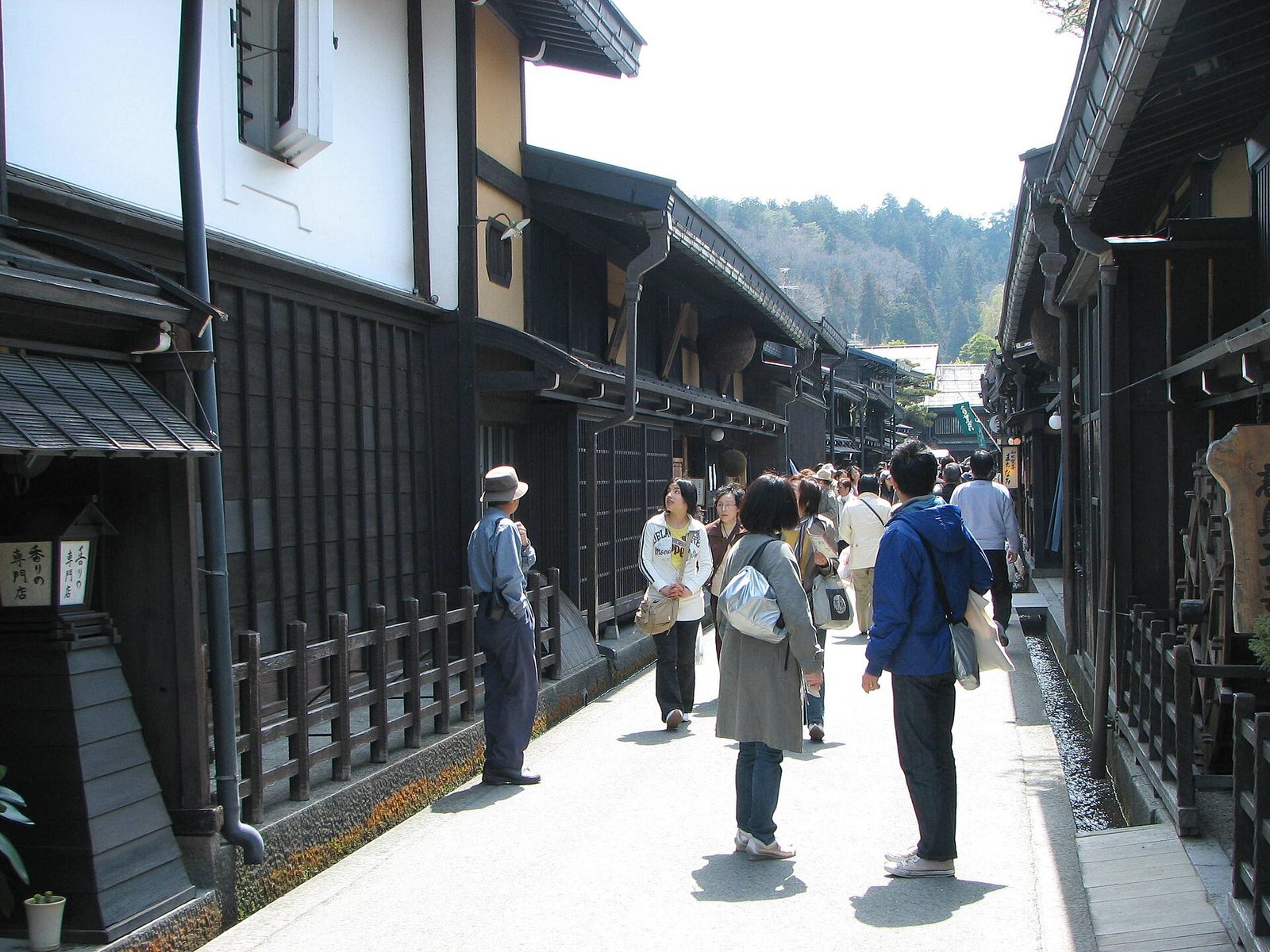
Sanmachi’s streets preserve a compact townscape of timber merchant buildings, close-set façades and projecting eaves. Shops and sake businesses continue to give the area a commercial life, while latticework, doorways and water channels reward attention at walking pace. The district is most interesting when its architecture is read as working space: buildings shaped for storage, trade and living, later adapted to new uses. Selected interiors offer another perspective, but the rhythm and proportions of the street itself remain a central part of the experience.
Plan your visitRespect private interiors and current photography notices.
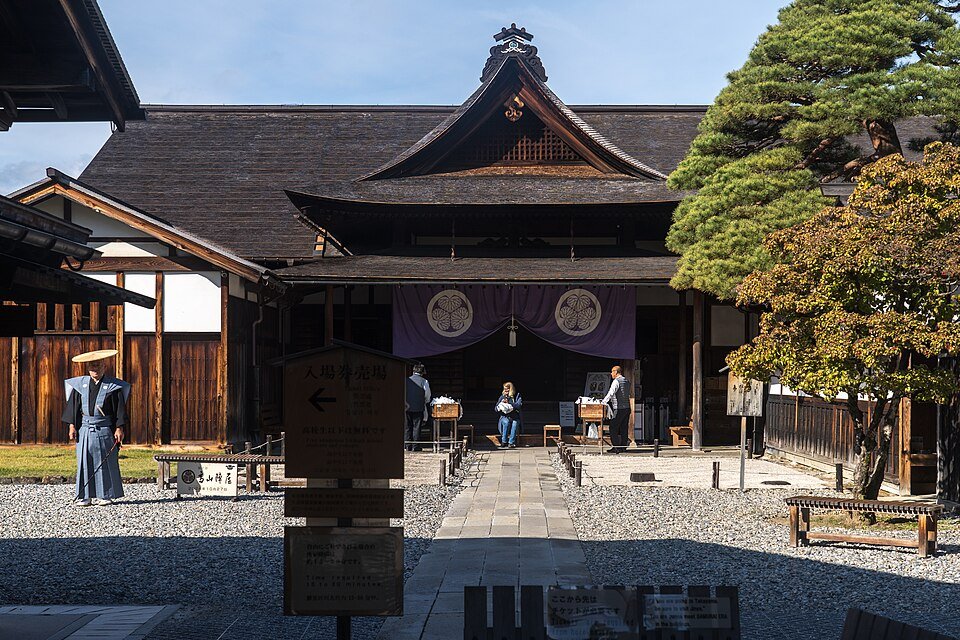
Takayama Jinya reveals how the region was administered under the shogunate. Offices, reception spaces, domestic quarters and storage areas connect formal authority with the practical business of collecting taxes and managing territory. Moving through the compound makes distinctions between official work, household life and the handling of goods easier to understand. It provides a useful counterpoint to Sanmachi: where the merchant streets express private commerce, the Jinya shows the institutional framework within which the surrounding town and countryside operated.
Plan your visitCheck current visitor access, shoe rules and guided interpretation.
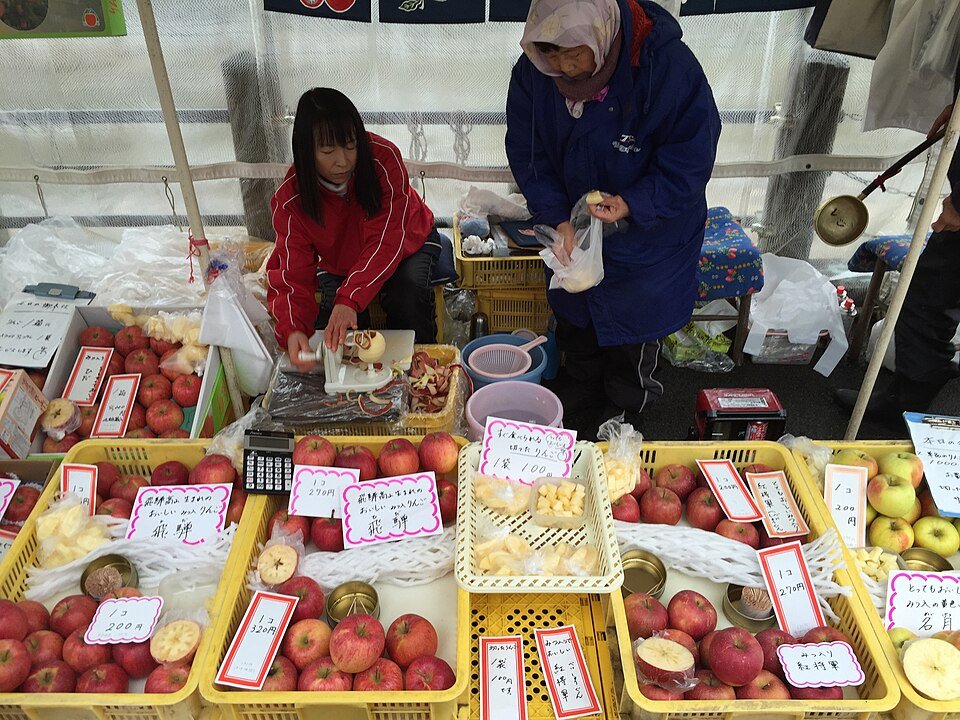
The Miyagawa morning market follows the river through central Takayama, bringing seasonal produce, pickles, local foods and crafts into the town’s daily rhythm. Its value lies in the connection with the surrounding agricultural region as much as in anything you might buy. What is offered changes with the season and the individual stallholders. The riverside setting also makes this a pleasant way to read the town at a smaller scale, distinct from the separate market associated with Takayama Jinya.
Plan your visitCheck current trading times and seasonal conditions.
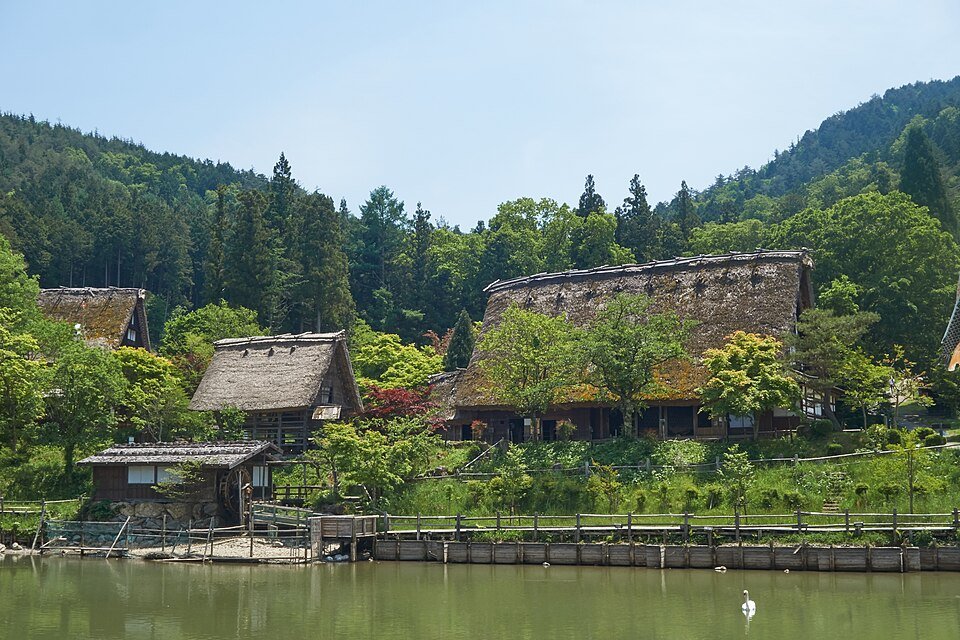
Hida Folk Village gathers traditional houses from the surrounding region in an open-air setting outside the centre. Their timber structures and roof forms reveal different responses to mountain weather, including the steep thatch associated with heavy snow. Inside, hearths, tools and domestic spaces connect architecture with household work and rural livelihoods. Because the houses were relocated, the site is best understood as an interpreted collection rather than an untouched village. Comparing buildings makes regional variety more apparent than looking at a single picturesque farmhouse.
Plan your visitPlan the local connection and a substantial visit; paths and interiors have different access.
Use a town day for the market, Sanmachi and Jinya. Give the folk village another substantial period rather than rushing out after a late arrival. Any further mountain outing needs separate transport and weather checks.
Choose your fixed-time visits
Check the official programme for Sanmachi streets before fixing the rest of the day. Museum collections, guided visits and outdoor areas may follow different admission arrangements. Confirm the actual entrance, language and meeting time for anything booked.
Plan for your group
Ask the sites you choose about steps, toilets, seating and an accessible route. For a group, arrange the meeting point, vehicle drop-off and guide in advance; the best route for a quick individual visit is not always the best group route.
Make room for the place
Use the current opening days to choose the order. Give one substantial sight the morning, keep room for a sit-down lunch, and make the afternoon a choice rather than another deadline.
An unhurried introduction
A day to make your own.
Begin with Sanmachi streets, using the current visitor arrangements.
Leave time for lunch and a comfortable transfer rather than another immediate appointment.
Choose Takayama Jinya or Hida Folk Village for a contrasting afternoon, according to weather and energy.
Adjust this editorial starting point to current access, weather and opening days.
Enjoy the place
Leave room between the sights.
The most rewarding introduction combines Sanmachi streets with time around Hida Folk Village. Look at the streets and landscape between the stops, and leave room for an everyday café, market or neighbourhood walk instead of treating the place as a checklist.
Allow 2 nights if it fits your wider route; travel between regions needs time of its own.
A taste of the place
Eat & drink.
Make time for a local meal.
Try a local noodle meal, ask about Hida beef if it appeals and look for regional vegetable dishes. For a ryokan dinner, confirm the meal time and ingredients before arrival; it is not simply an open-ended restaurant reservation.
Choose a traditional inn for the experience it offers or a conventional hotel for a different layout. Ask about stairs, futon bedding, bathroom arrangements and dinner times rather than assuming every room works the same way.
Ask the property about total charges, room access, arrival with luggage, cancellation terms and any group requirements. Confirm the actual room and access route before booking.
Check the actual rail or coach connection, reservation requirements and final walk from the station. Mountain-region travel can need more time and fewer connections than a main Shinkansen corridor. Leave room for arrival before any fixed dinner time.
The official local resource is the place to check current exhibitions, guided walks, seasonal openings and events. Ask about language, group admission and access for the particular visit you want, rather than assuming every programme runs daily.
Official resources are linked beside the information they support. Suggested stays and routes are editorial starting points, not confirmed schedules. Property links provide direct contact, not a personal inspection or rating. Check changing details with the provider. Sources reviewed October 27, 2026.