Great temple spaces and older town streets beyond a quick deer photograph.
Nara connects monumental Buddhist and Shinto sites with a quieter townscape of merchant houses and small streets. Tōdai-ji expresses the ambitions of an early Japanese capital; Kasuga Taisha reveals a sacred landscape shaped by forest, colour and donated lanterns. Museum collections help explain the art associated with these traditions, while Naramachi returns the scale to everyday life. A rewarding visit alternates between large ceremonial spaces and the details encountered on foot.
Nara deserves time for its religious architecture, collections and quieter streets. The park links many well-known places, but the main halls and museum each reward focused attention. Give the deer space, respect the sacred settings and leave room for Naramachi instead of treating the whole city as a short walk from one gate.
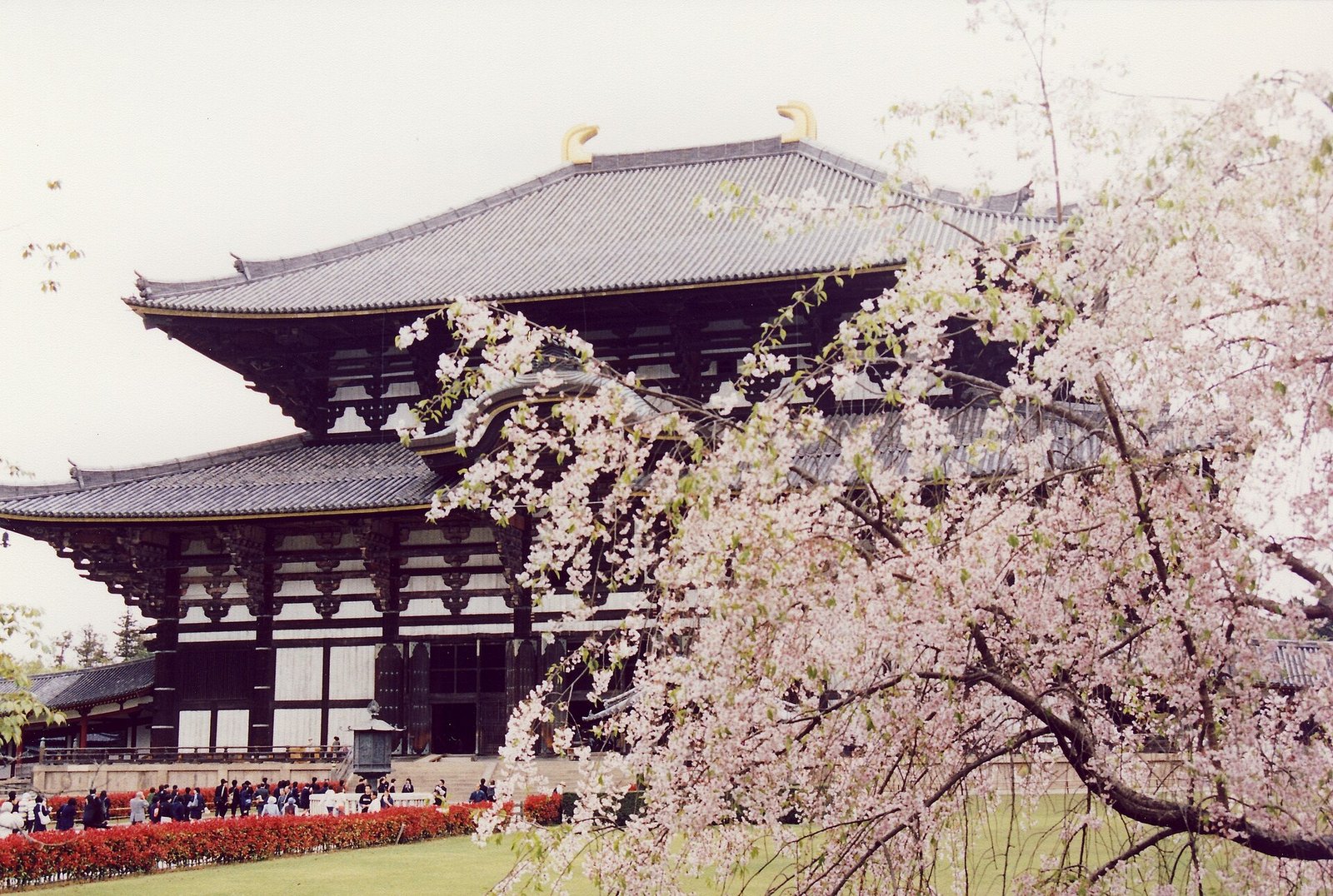
Tōdai-ji’s Great Buddha embodies the importance of Buddhism in eighth-century state life. The monumental Vairocana figure and the hall surrounding it belong to a complex with a long history of destruction and rebuilding; the present Great Buddha Hall dates from 1709. Looking at the building’s structure as well as the statue helps convey the scale of the undertaking. The temple’s significance extends beyond size to its place within a wider network of religious institutions associated with the ancient capital.
Plan your visitCheck the current visitor route and separate admission areas.
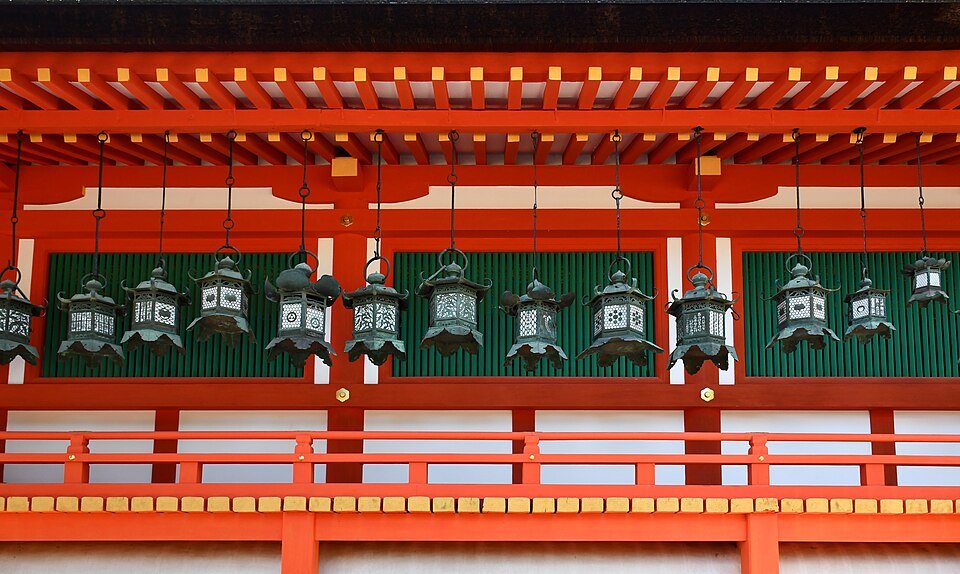
Kasuga Taisha combines vermilion buildings, pale walls and the deep green of its forest setting. Founded in the eighth century and closely associated with the Fujiwara family, the shrine is also known for thousands of donated lanterns. Stone lanterns line approaches, while bronze lanterns hang within the precinct, recording generations of offerings and devotion. Their presence is meaningful even when they are unlit. The walk through the trees and the change from open parkland to sacred enclosure form an essential part of the visit.
Plan your visitRespect worship, photography notices and permitted paths.
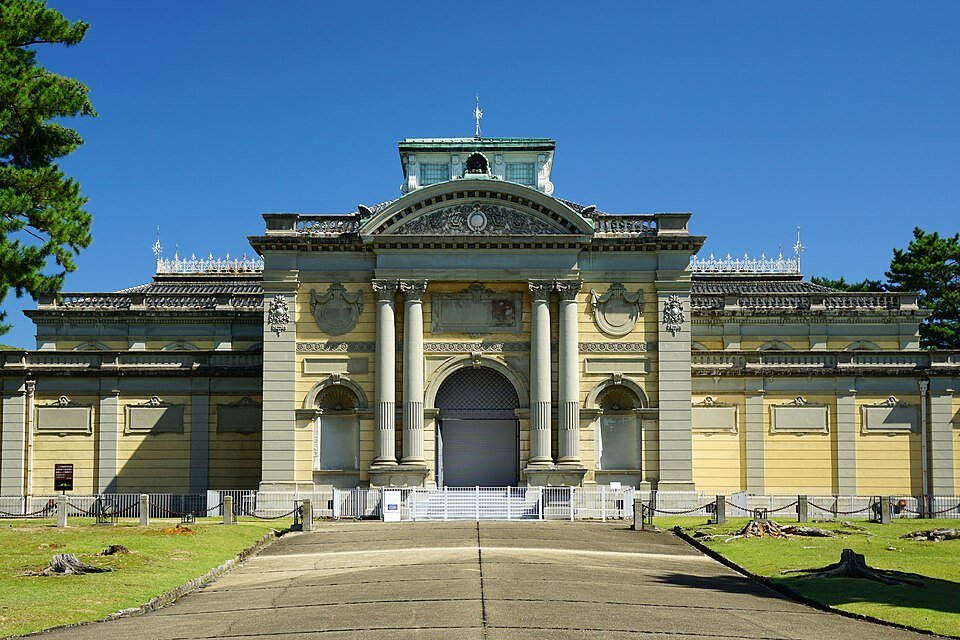
Enlarge photoOriginal building of Nara National Museum; the Buddhist Sculpture Hall is currently closed. Photo: 663highland · Wikimedia Commons · CC BY 2.5. Cropped for display.
03
Nara National Museum
Nara National Museum provides context for the Buddhist art encountered in the city’s temples. Its collections and exhibitions encompass sculpture, paintings, manuscripts and ritual objects, helping explain both artistic techniques and religious use. The original museum building, shown in the photograph, represents another chapter: the establishment of a modern institution for studying and displaying this heritage. Exhibition arrangements vary across the museum’s buildings, so the current programme matters more than assuming that every collection or gallery is always available.
Gallery update: the Buddhist Sculpture Hall in the original building closed on 14 September 2026 for work expected to last about a year and a half. Other galleries continue to host exhibitions; check the museum’s current programme before travelling.
Plan your visitCheck exhibitions and special admission arrangements.
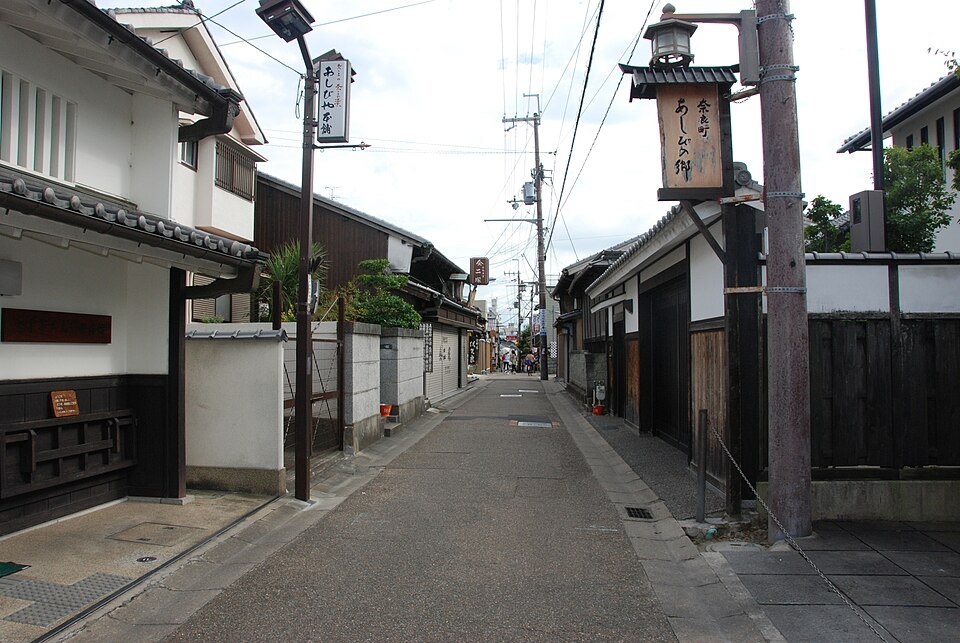
Naramachi offers a change of scale from Nara’s great temple precincts. Narrow streets, lattice-fronted townhouses and small shops reveal the shape of a merchant district that developed around the former grounds of Gangō-ji. Selected buildings and local collections open windows onto domestic life, trades and the organisation of a traditional house. Much of the area remains lived in, so its character is best appreciated through public streets and clearly identified visitor spaces rather than treating private doorways as exhibits.
Plan your visitCheck individual openings and respect residential areas.
Choose a major temple and the museum for one day, then add a shrine or Naramachi according to your pace. An overnight stay lets you enjoy quieter streets outside the busiest excursion hours. Follow official guidance around the park’s free-roaming deer.
Choose your fixed-time visits
Check the official programme for Tōdai-ji before fixing the rest of the day. Museum collections, guided visits and outdoor areas may follow different admission arrangements. Confirm the actual entrance, language and meeting time for anything booked.
Plan for your group
Ask the sites you choose about steps, toilets, seating and an accessible route. For a group, arrange the meeting point, vehicle drop-off and guide in advance; the best route for a quick individual visit is not always the best group route.
Make room for the place
Use the current opening days to choose the order. Give one substantial sight the morning, keep room for a sit-down lunch, and make the afternoon a choice rather than another deadline.
An unhurried introduction
A day to make your own.
Begin with Tōdai-ji, using the current visitor arrangements.
Leave time for lunch and a comfortable transfer rather than another immediate appointment.
Choose Kasuga Taisha or Naramachi for a contrasting afternoon, according to weather and energy.
Adjust this editorial starting point to current access, weather and opening days.
Enjoy the place
Leave room between the sights.
The most rewarding introduction combines Tōdai-ji with time around Naramachi. Look at the streets and landscape between the stops, and leave room for an everyday café, market or neighbourhood walk instead of treating the place as a checklist.
Allow 1–2 nights if it fits your wider route; travel between regions needs time of its own.
A taste of the place
Eat & drink.
Make time for a local meal.
Look for local set meals and a café in the older streets. Traditional preserved or fermented specialities may be unfamiliar, so ask what a dish contains rather than relying only on an English name or a photograph.
Choose a park-side, old-town or transport-oriented base according to the visit you want. Confirm the final station connection and evening meal options; a city address does not always mean a short walk to the temples.
Ask the property about total charges, room access, arrival with luggage, cancellation terms and any group requirements. Confirm the actual room and access route before booking.
JR Nara and Kintetsu-Nara are different stations with different approaches to the park. Choose the arrival for your address and first visit, then plan the bus or walk. Keep luggage arrangements separate from a long temple walk.
The official local resource is the place to check current exhibitions, guided walks, seasonal openings and events. Ask about language, group admission and access for the particular visit you want, rather than assuming every programme runs daily.
Official resources are linked beside the information they support. Suggested stays and routes are editorial starting points, not confirmed schedules. Property links provide direct contact, not a personal inspection or rating. Check changing details with the provider. Sources reviewed October 27, 2026.