A harbour city of exchange, remembrance and steep, rewarding streets.
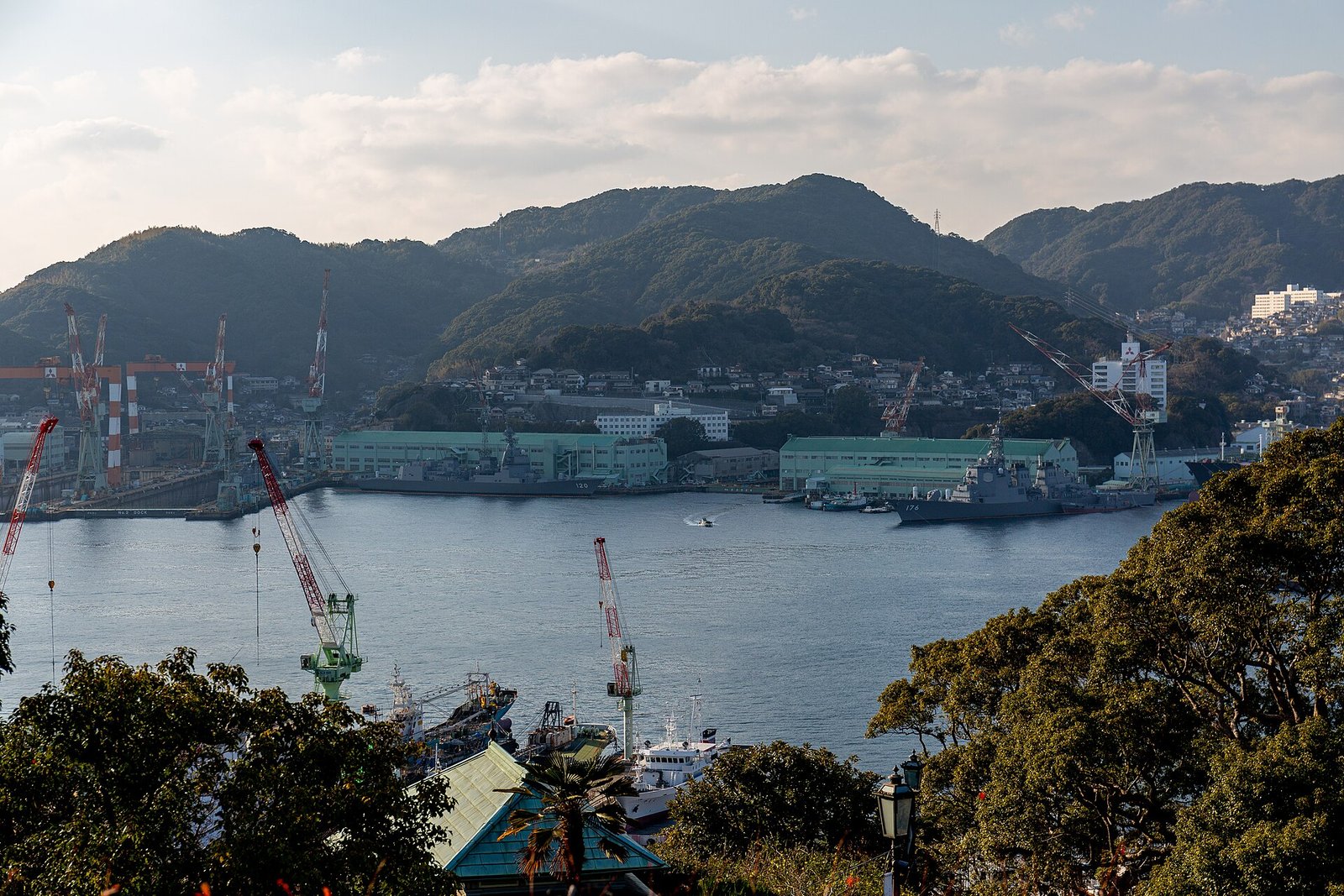
Nagasaki’s hills and harbour hold histories that need to be considered together. Dejima and the foreign merchants’ residences describe controlled exchange and the opening of a port; Ōura Church connects the city with Christian communities and religious persecution; the Atomic Bomb Museum confronts the catastrophe of 9 August 1945. The result is a city best understood through several carefully chosen places, with time to move between the waterfront, hillsides and memorial landscape.
Nagasaki has a history that reaches well beyond one period. Trade, religious communities and the atomic bombing all deserve thoughtful attention, alongside the living port city. Give the memorial visit time to reflect and explore the harbour-side districts as separate chapters rather than a single fast excursion.
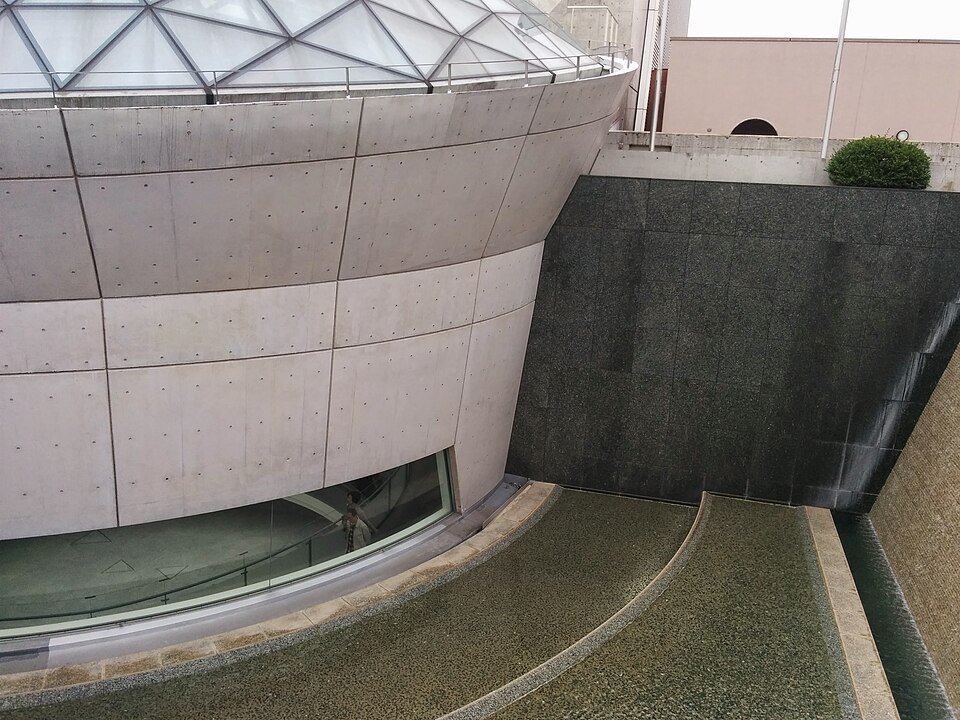
The Atomic Bomb Museum uses objects, photographs and personal accounts to explain what happened to Nagasaki at 11:02 on 9 August 1945. The displays connect the physical effects of heat, blast and radiation with lives interrupted and the experiences of survivors. Outside, the memorial landscape provides a different form of reflection. Treat the museum and park as related parts of a visit: one builds understanding through evidence and testimony, while the other gives space to consider remembrance and the pursuit of peace.
Plan your visitCheck current museum entry and leave a quiet period after the visit.
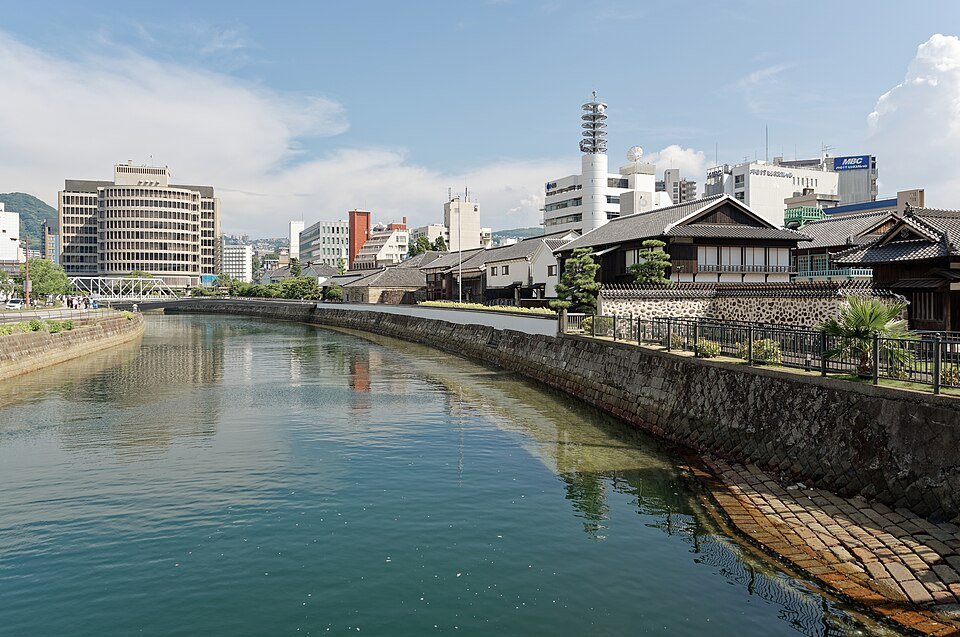
Dejima was built as an artificial island and became the controlled base of Dutch trade during Japan’s long period of restricted foreign contact. The present visitor site uses reconstructed buildings and interpretation to explain the merchants’ working environment, domestic life and exchange of goods and knowledge. Later reclamation changed the waterfront, so the former island now sits within the city. Keeping that transformation in mind helps make sense of the site’s fan-shaped plan and the difference between its historic setting and present surroundings.
Plan your visitCheck the current visitor route and programme.
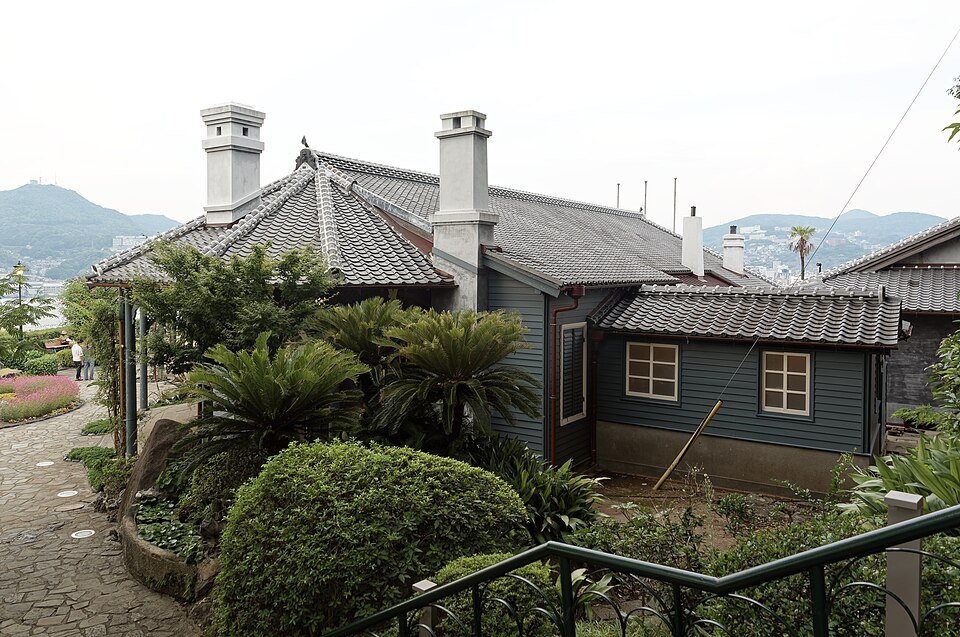
Glover Garden places foreign merchants’ houses on a hillside overlooking Nagasaki’s harbour. The buildings show how Western domestic arrangements met local materials and climate, with verandas and Japanese tiled roofs forming a distinctive port-city architecture. Thomas Glover’s story connects the setting with trade and industrial change in nineteenth-century Japan. The views are part of that history: ships, waterfront activity and the slope below help explain why this district developed where it did, rather than serving only as a scenic backdrop.
Plan your visitPlan the slopes, current entry route and accessible options.
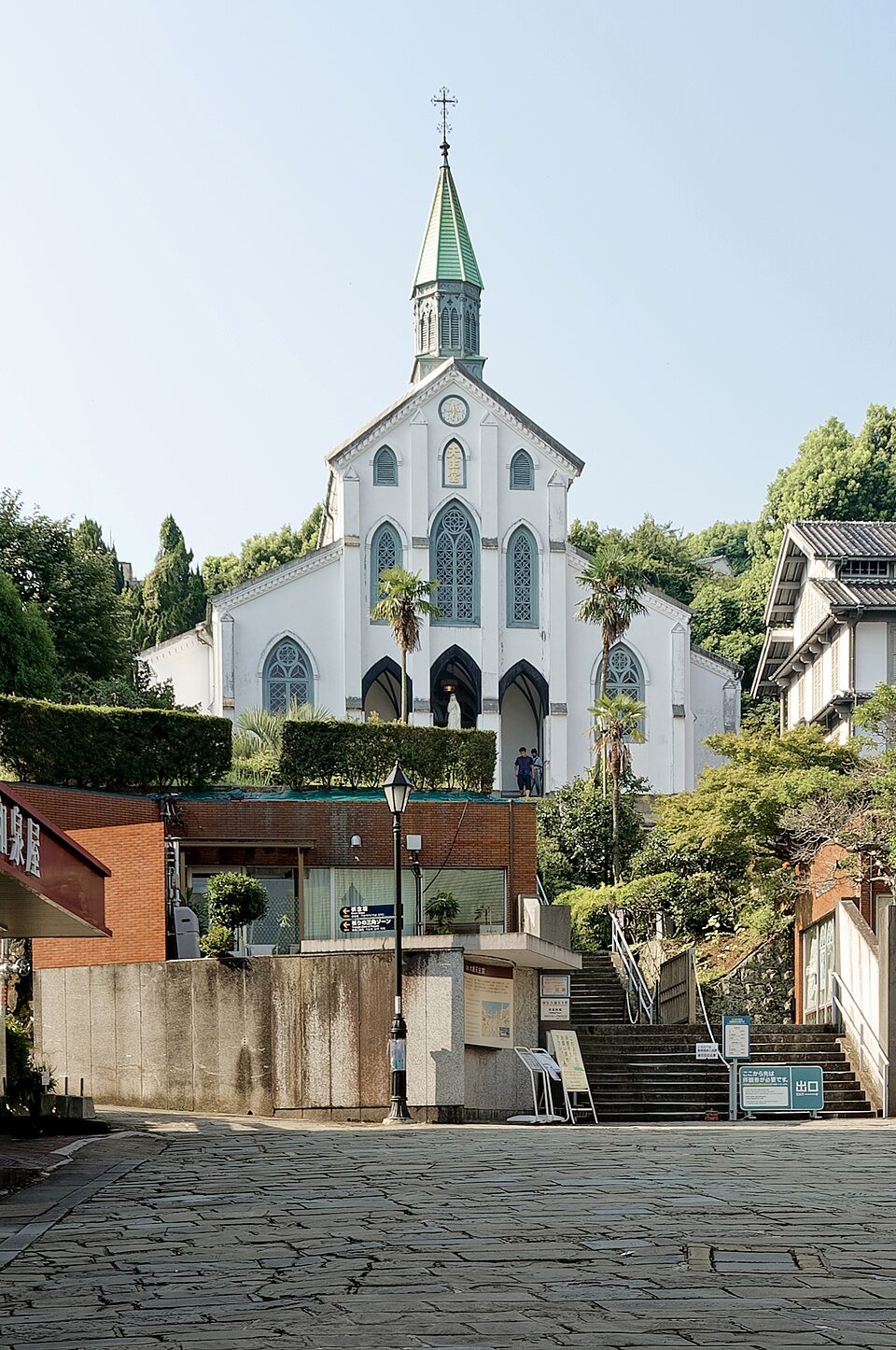
Ōura Church connects Nagasaki with the history of Christianity in Japan, including persecution, concealed religious practice and the re-emergence of communities in the nineteenth century. The church was built for foreign residents and dedicated to the twenty-six martyrs executed in Nagasaki in 1597. Its architecture and associated interpretation offer a different perspective on the port’s international connections from the nearby merchants’ houses. Approach it as a place of faith and historical encounter, with attention to the rules for entering and photographing the interior.
Plan your visitCheck current entry, worship and photography instructions.
Give remembrance its own substantial period rather than immediately adding several entertainment stops. Use another day for Dejima, the southern hillside heritage area and a harbour-side meal. A wider Kyushu journey needs separate transfer days.
Choose your fixed-time visits
Check the official programme for Atomic Bomb Museum & Peace Park before fixing the rest of the day. Museum collections, guided visits and outdoor areas may follow different admission arrangements. Confirm the actual entrance, language and meeting time for anything booked.
Plan for your group
Ask the sites you choose about steps, toilets, seating and an accessible route. For a group, arrange the meeting point, vehicle drop-off and guide in advance; the best route for a quick individual visit is not always the best group route.
Make room for the place
Use the current opening days to choose the order. Give one substantial sight the morning, keep room for a sit-down lunch, and make the afternoon a choice rather than another deadline.
An unhurried introduction
A day to make your own.
Begin with Atomic Bomb Museum & Peace Park, using the current visitor arrangements.
Leave time for lunch and a comfortable transfer rather than another immediate appointment.
Choose Dejima or Ōura Church & religious heritage for a contrasting afternoon, according to weather and energy.
Adjust this editorial starting point to current access, weather and opening days.
Enjoy the place
Leave room between the sights.
The most rewarding introduction combines Atomic Bomb Museum & Peace Park with time around Ōura Church & religious heritage. Look at the streets and landscape between the stops, and leave room for an everyday café, market or neighbourhood walk instead of treating the place as a checklist.
Allow 2–3 nights if it fits your wider route; travel between regions needs time of its own.
A taste of the place
Eat & drink.
Make time for a local meal.
Try champon or sara-udon if they appeal, and look for the city’s mix of culinary influences rather than expecting only a standard national menu. Confirm ingredients and portion sizes, particularly at small specialist places.
Choose transport convenience or a hillside outlook deliberately. Check slopes, lift access and the return after dinner; a striking harbour view is not a substitute for a comfortable arrival route.
Ask the property about total charges, room access, arrival with luggage, cancellation terms and any group requirements. Confirm the actual room and access route before booking.
Check the actual intercity rail route and any required transfer, then plan the tram, bus or taxi to the hotel. Nagasaki’s hills make the final address important; a short straight-line distance may include a substantial climb.
The official local resource is the place to check current exhibitions, guided walks, seasonal openings and events. Ask about language, group admission and access for the particular visit you want, rather than assuming every programme runs daily.
Official resources are linked beside the information they support. Suggested stays and routes are editorial starting points, not confirmed schedules. Property links provide direct contact, not a personal inspection or rating. Check changing details with the provider. Sources reviewed October 27, 2026.