Temples, gardens and living neighbourhoods that deserve a slower pace.
Kyoto reveals different histories through the details of its buildings and streets: a hillside temple’s timber stage, the formal rooms of a shogun’s palace, a mountain shrine’s donated gates and the ingredients of a city market. These places work best as neighbourhood visits, with time to understand their settings. The contrast between religious practice, political power and everyday food culture gives the city depth beyond its most familiar photographs.
Kyoto is best approached one area at a time. Give a major temple or garden real attention, then follow a respectful walk through the surrounding streets. The city is also people’s home and workplace: private lanes, crowded buses and photography rules should shape a thoughtful visit rather than be treated as obstacles to a checklist.
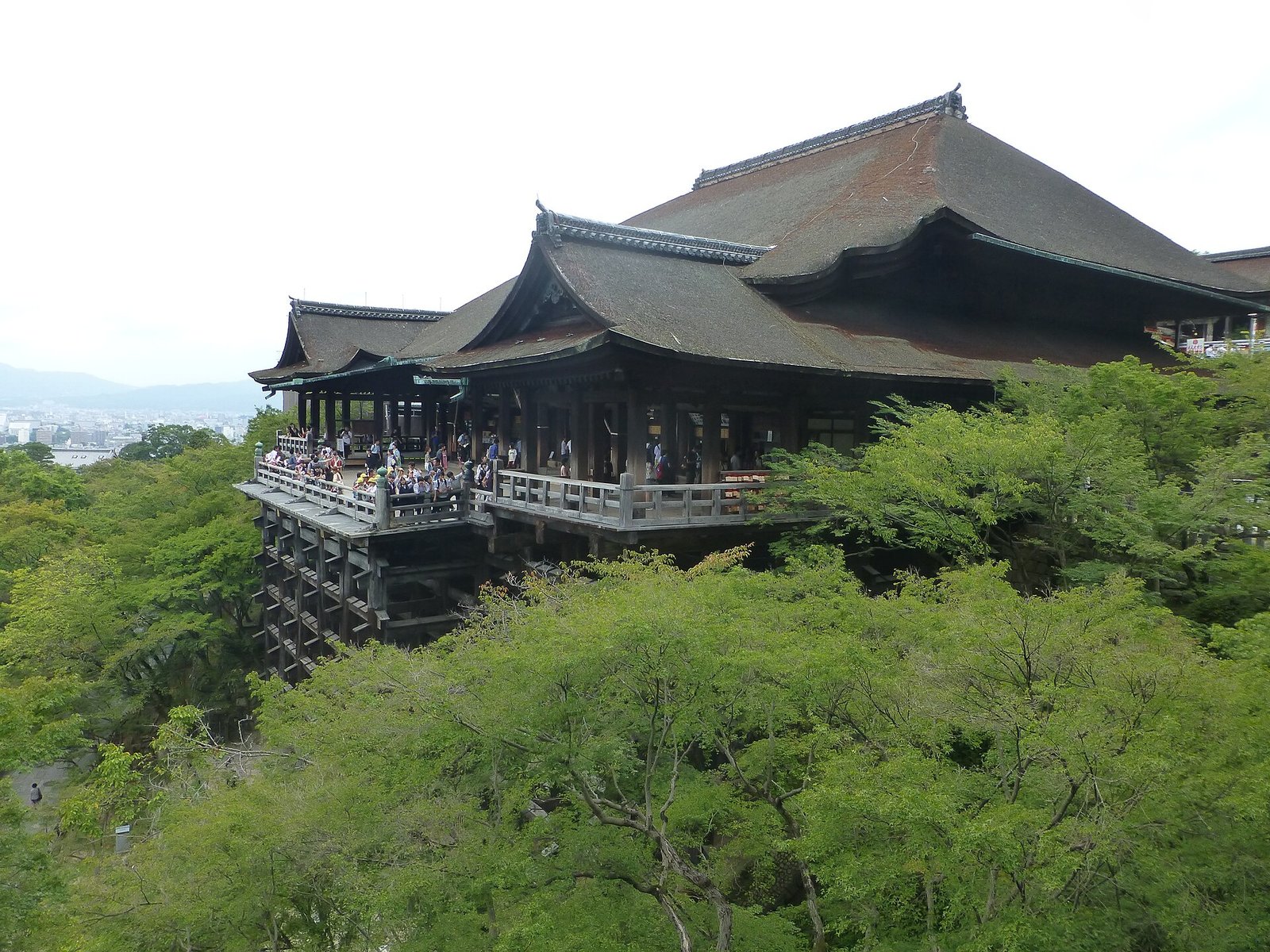
Kiyomizu-dera stands above eastern Kyoto, its great timber stage projecting from the main hall over the hillside. The temple’s long association with Kannon, the bodhisattva of compassion, gives the buildings a religious purpose beyond the panoramic view. The grounds unfold through halls, paths and changes in level, while the approaches through the surrounding streets connect the temple with the city below. Looking at how the structure meets the slope is as rewarding as looking outward across Kyoto.
Plan your visitCheck current temple access, gradients and photography rules.
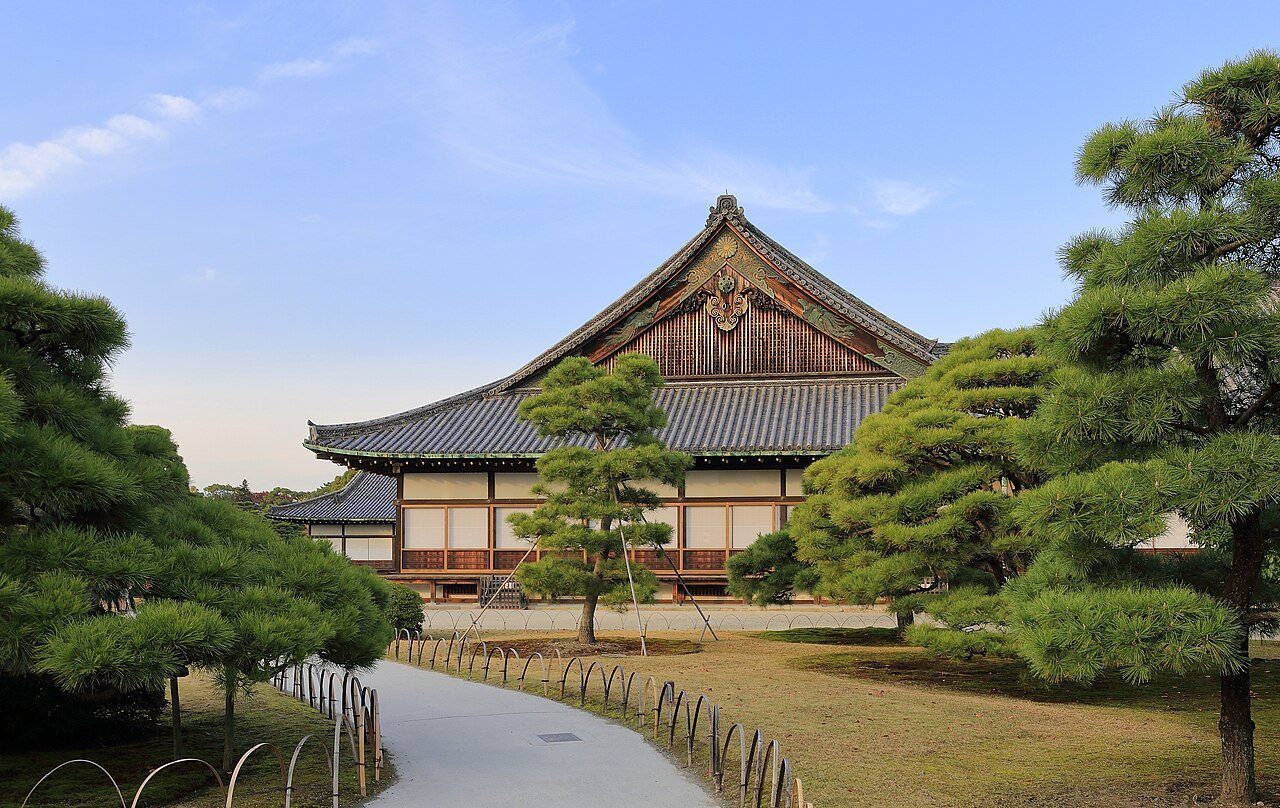
Nijō Castle explains the shogunate’s presence in Kyoto through architecture designed to express authority. The connected buildings of Ninomaru Palace lead through rooms with different roles and degrees of access; painted panels, carved details and the arrangement of audiences made rank visible. Built for Tokugawa Ieyasu in the early seventeenth century, the castle also connects with the return of political authority to the emperor in 1867. Gardens and exterior spaces offer a quieter counterpart to the palace’s formal sequence.
Plan your visitConfirm ticket coverage, indoor rules and the current entrance.
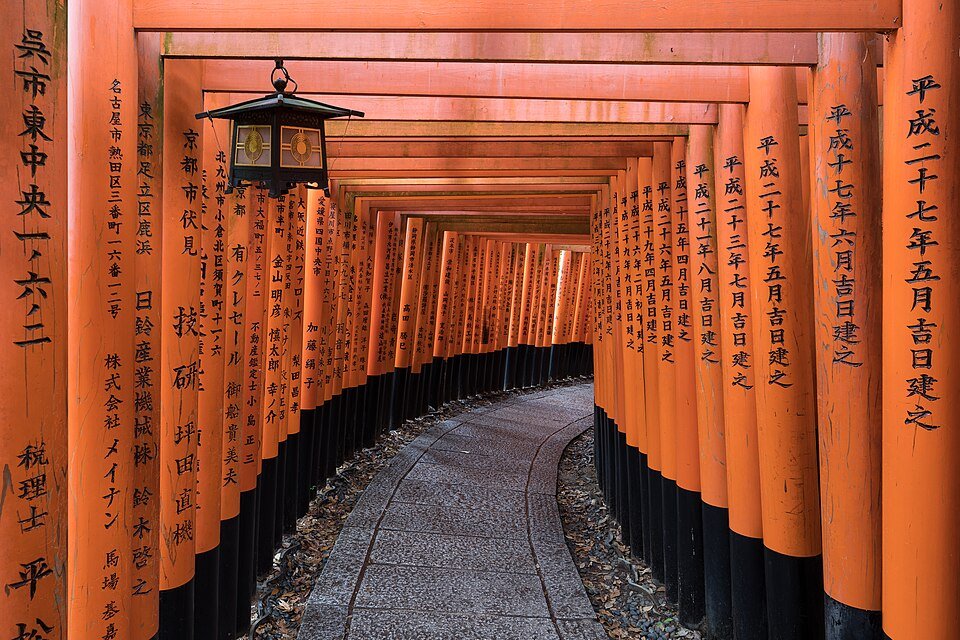
Fushimi Inari is the head shrine of a tradition associated with rice, prosperity and business. Its famous vermilion torii are donations, turning the paths into a landscape of continuing participation rather than a single decorative passage. The shrine extends into wooded Mount Inari, where gates, smaller places of worship and changes in elevation gradually alter the atmosphere. Understanding that the mountain belongs to the sacred precinct makes even a shorter walk more meaningful than stopping only at the busiest entrance view.
Plan your visitRespect worship, stay on permitted paths and choose the distance for your party.
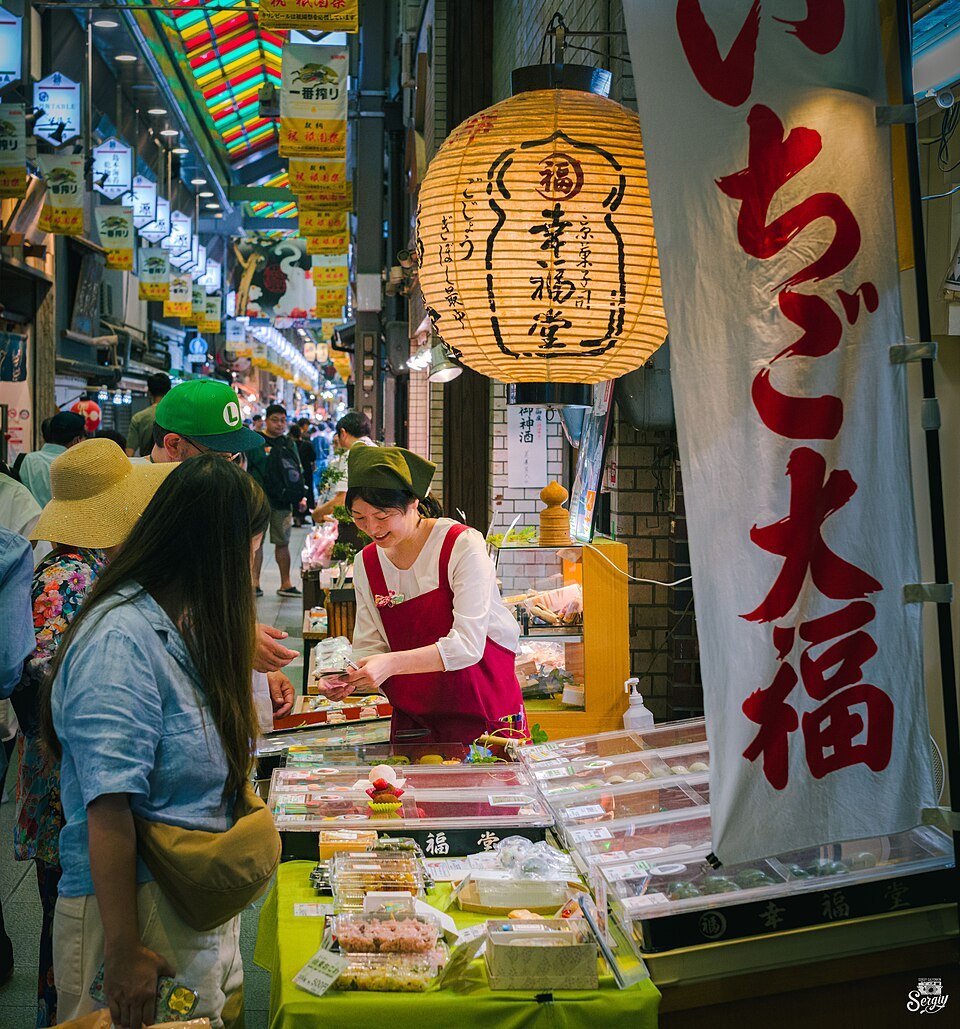
Nishiki developed from a market closely associated with fish and the cold groundwater that helped preserve it. Its covered street now brings Kyoto’s food culture into view through vegetables, pickles, seafood, seasonings and prepared specialities. The value of a walk lies in recognising ingredients and specialist trades, not simply collecting snacks. Look at how individual shops concentrate on a particular food or technique, then connect what you see with meals elsewhere in the city. Follow each shop’s arrangements for eating and photography.
Plan your visitFollow shop rules and current market etiquette; trading hours differ.
Choose the eastern temple streets for one day and a different district for another. Book the interior or cultural experience that matters, then leave time for travel and a proper meal. Avoid stacking widely separated temples into a single bus-heavy day.
Choose your fixed-time visits
Check the official programme for Kiyomizu-dera & eastern streets before fixing the rest of the day. Museum collections, guided visits and outdoor areas may follow different admission arrangements. Confirm the actual entrance, language and meeting time for anything booked.
Plan for your group
Ask the sites you choose about steps, toilets, seating and an accessible route. For a group, arrange the meeting point, vehicle drop-off and guide in advance; the best route for a quick individual visit is not always the best group route.
Make room for the place
Use the current opening days to choose the order. Give one substantial sight the morning, keep room for a sit-down lunch, and make the afternoon a choice rather than another deadline.
An unhurried introduction
A day to make your own.
Begin with Kiyomizu-dera & eastern streets, using the current visitor arrangements.
Leave time for lunch and a comfortable transfer rather than another immediate appointment.
Choose Nijō Castle or Nishiki & a food-neighbourhood walk for a contrasting afternoon, according to weather and energy.
Adjust this editorial starting point to current access, weather and opening days.
Enjoy the place
Leave room between the sights.
The most rewarding introduction combines Kiyomizu-dera & eastern streets with time around Nishiki & a food-neighbourhood walk. Look at the streets and landscape between the stops, and leave room for an everyday café, market or neighbourhood walk instead of treating the place as a checklist.
Allow 3–4 nights if it fits your wider route; travel between regions needs time of its own.
A taste of the place
Eat & drink.
Make time for a local meal.
Consider a tofu-based meal, seasonal Kyoto cooking or a carefully chosen market snack. Dashi and other ingredients may not be obvious from an English dish name, so arrange dietary needs with the restaurant directly. A reserved small counter is not automatically suitable for a large group.
Choose the district for the kind of evening and daily walking you want. Kyoto Station convenience, central dining and eastern historic streets are different advantages; confirm room access and luggage arrangements.
Ask the property about total charges, room access, arrival with luggage, cancellation terms and any group requirements. Confirm the actual room and access route before booking.
The Shinkansen station, old-city districts and hillside temples are different arrival points. Check city transport and the final walk to your address, keeping luggage off crowded local journeys where practical. The official city guide provides current responsible-travel and transport advice.
The official local resource is the place to check current exhibitions, guided walks, seasonal openings and events. Ask about language, group admission and access for the particular visit you want, rather than assuming every programme runs daily.
Official resources are linked beside the information they support. Suggested stays and routes are editorial starting points, not confirmed schedules. Property links provide direct contact, not a personal inspection or rating. Check changing details with the provider. Sources reviewed October 27, 2026.