Remembrance, river-side city life and time to reflect.
Hiroshima’s rivers and broad streets frame a city with several distinct stories. The Peace Memorial Museum and the preserved Atomic Bomb Dome confront the human consequences of 6 August 1945; Shukkeien reveals an older tradition of landscape gardening; Mazda connects the city with industrial design and manufacturing. Give the memorial sites space in the day, then use a garden or riverside walk to absorb what you have seen.
Hiroshima asks for a thoughtful pace. The Peace Memorial Museum and park deserve an unhurried visit with time afterwards, while gardens and the city’s river-side streets reveal a living place beyond the memorial story. Give Miyajima a separate outing rather than treating both experiences as hurried stops on a rail-transfer day.
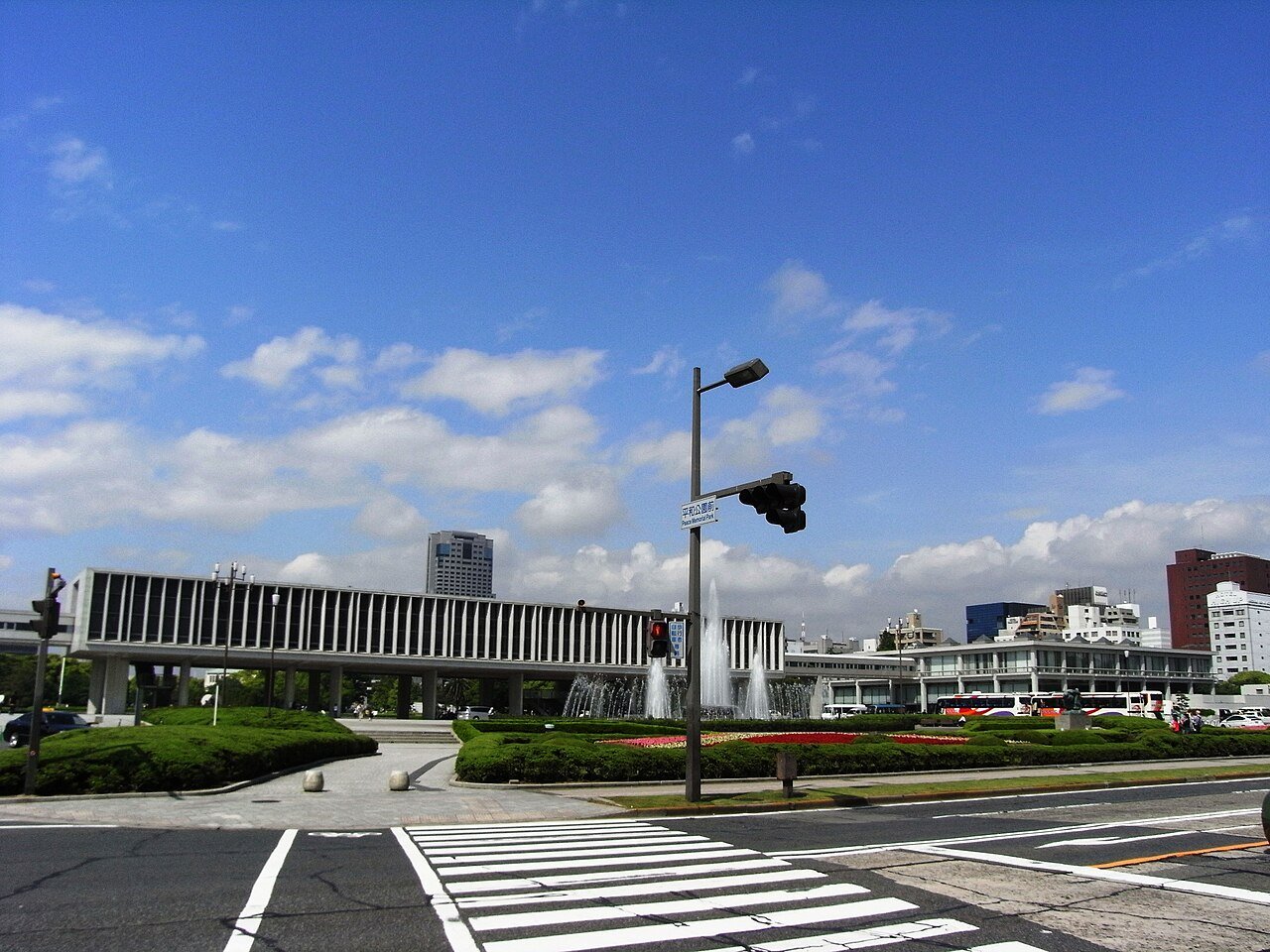
The museum brings the atomic bombing back to individual lives through personal belongings, photographs, documents and testimony. Displays place the destruction within Hiroshima’s history and explain the effects of the bomb and the experiences of survivors. Its purpose extends beyond recording damage to considering the continuing threat of nuclear weapons. The main building, designed by Kenzō Tange, belongs to the wider memorial landscape; a visit is most meaningful when the objects and accounts receive unhurried attention.
Plan your visitCheck the current entry system, programme and visitor guidance.
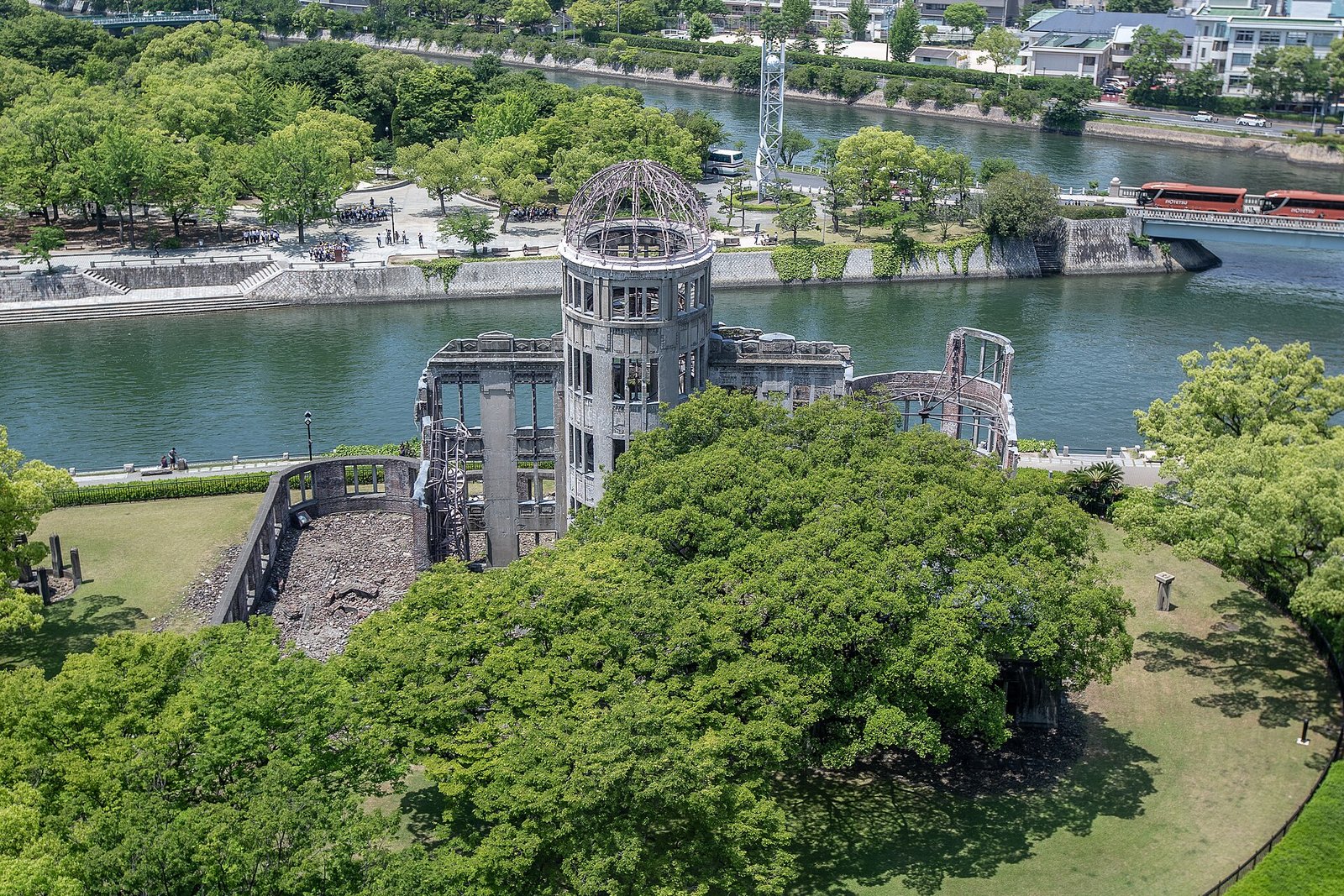
The park connects a series of memorials across the ground that became the centre of Hiroshima’s remembrance. From the museum, the landscape leads towards the Memorial Cenotaph and the Atomic Bomb Dome across the river. The Dome is a surviving, conserved structure, its exposed framework making the scale of the destruction tangible. Walking the paths reveals both the formal memorial axis and smaller places of reflection, while the surrounding rivers locate this exceptional site within the everyday city.
Plan your visitRespect commemorative activities and current access notices.
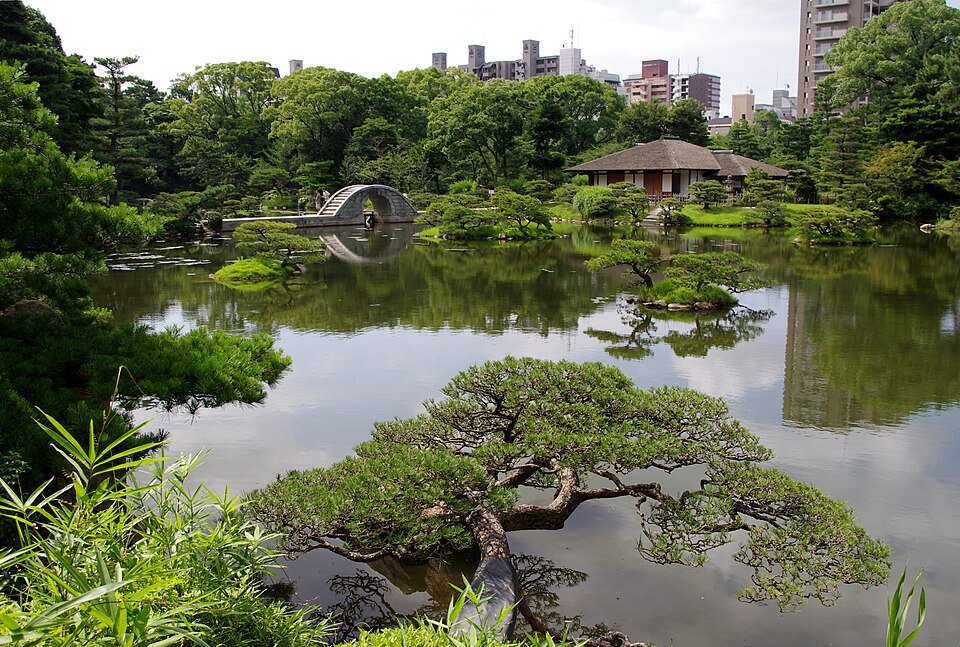
Created in 1620 for Hiroshima’s ruling Asano family, Shukkeien compresses a varied landscape into a garden of water, wooded banks, small islands and bridges. Paths continually change the relationship between foreground planting and the central pond, so the view develops as you walk. The garden was devastated in 1945 and subsequently restored. Its present calm therefore holds two histories together: the cultivated world of the early castle town and the work of rebuilding the city.
Plan your visitCheck current garden access and the walking surfaces.
Mazda’s museum traces the manufacturer’s development through vehicles, engineering displays and the wider industrial setting of its Hiroshima headquarters. Historic models and concept cars show changing approaches to shape, space and performance; rotary-engine technology is a particularly distinctive part of the story. The guided programme can also connect the displays with production, subject to the operating schedule. The photograph shows RX-Vision and Vision Coupe concept cars at the museum, rather than guaranteeing the arrangement of a future display.
Plan your visitBook through Mazda and confirm language, departure point and current tour conditions.
Allow the museum and park the time they need, with a quiet meal or walk afterwards. Choose the garden or a booked Mazda visit for another part of the stay. Give Miyajima its own day or overnight decision, including rail and ferry connections.
Choose your fixed-time visits
Check the official programme for Peace Memorial Museum before fixing the rest of the day. Museum collections, guided visits and outdoor areas may follow different admission arrangements. Confirm the actual entrance, language and meeting time for anything booked.
Plan for your group
Ask the sites you choose about steps, toilets, seating and an accessible route. For a group, arrange the meeting point, vehicle drop-off and guide in advance; the best route for a quick individual visit is not always the best group route.
Make room for the place
Use the current opening days to choose the order. Give one substantial sight the morning, keep room for a sit-down lunch, and make the afternoon a choice rather than another deadline.
An unhurried introduction
A day to make your own.
Begin with Peace Memorial Museum, using the current visitor arrangements.
Leave time for lunch and a comfortable transfer rather than another immediate appointment.
Choose Peace Memorial Park & Atomic Bomb Dome or Mazda Museum for a contrasting afternoon, according to weather and energy.
Adjust this editorial starting point to current access, weather and opening days.
Enjoy the place
Leave room between the sights.
The most rewarding introduction combines Peace Memorial Museum with time around Mazda Museum. Look at the streets and landscape between the stops, and leave room for an everyday café, market or neighbourhood walk instead of treating the place as a checklist.
Allow 2 nights if it fits your wider route; travel between regions needs time of its own.
A taste of the place
Eat & drink.
Make time for a local meal.
Try Hiroshima-style okonomiyaki if it suits your tastes, and compare smaller specialist restaurants with larger food-floor options. Counter seating and preparation time vary, so arrange a group meal rather than expecting a large table to be available.
Choose central accommodation for city walking or a station-oriented base for easier rail arrival. Consider the emotional pace of the memorial visit as well as transport convenience.
Ask the property about total charges, room access, arrival with luggage, cancellation terms and any group requirements. Confirm the actual room and access route before booking.
The main Shinkansen station and Peace Memorial Park are separate urban locations. Check the current tram or bus connection and the final walk to your hotel. For Miyajima, plan the whole rail-and-ferry route and the return.
The official local resource is the place to check current exhibitions, guided walks, seasonal openings and events. Ask about language, group admission and access for the particular visit you want, rather than assuming every programme runs daily.
Official resources are linked beside the information they support. Suggested stays and routes are editorial starting points, not confirmed schedules. Property links provide direct contact, not a personal inspection or rating. Check changing details with the provider. Sources reviewed October 27, 2026.