Journey Through Time: The History of West Virginia
West Virginia, a state nestled in the Appalachian region of the United States,
holds a unique and storied history that encompasses indigenous cultures,
European settlement, the struggle for statehood, and its contributions to
industry and the American Civil War. From its rugged landscapes to its rich
cultural heritage, West Virginia's history is a tapestry of resilience,
independence, and the pursuit of opportunity.
The earliest chapters of West Virginia's history are intertwined with the
indigenous peoples who inhabited the region for thousands of years. Tribes such
as the Cherokee, Shawnee, and Mingo established settlements and cultivated a
deep connection with the land and its resources.
European exploration and settlement of the area began in the 18th century, as
pioneers and settlers moved westward into the Appalachian Mountains. The French
and Indian War and the American Revolutionary War brought conflicts and
territorial disputes to the region, with the land changing hands between French,
British, and eventually American control.
West Virginia's unique identity emerged during the American Civil War. When
Virginia seceded from the Union in 1861, residents in the western counties, who
were more aligned with the Union, rejected secession and formed the Restored
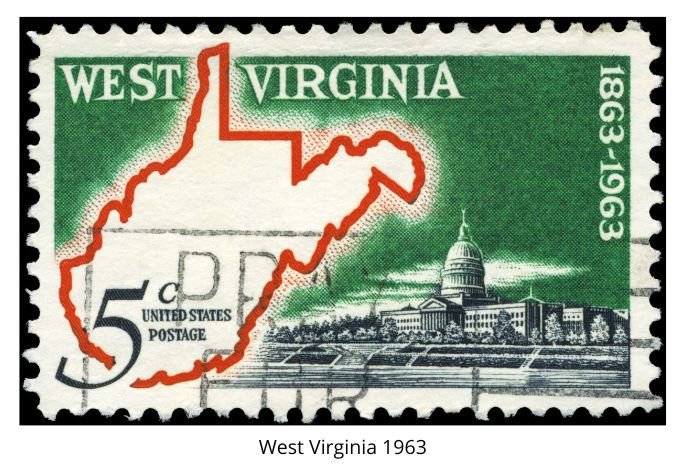
Government of Virginia. In 1863, West Virginia officially became a separate
state within the Union, with a new constitution and its own government. The
state's split from Virginia was a pivotal moment in its history, reflecting the
divided loyalties and regional differences of the time.
The development of West Virginia's natural resources played a crucial role in
the state's growth and economy. The coal mining industry, particularly in the
southern part of the state, brought significant economic activity and
immigration. The labor struggles and challenges faced by miners in the early
20th century, such as the Battle of Blair Mountain, became important chapters in
the state's history and labor rights movements.
West Virginia's cultural heritage is deeply rooted in the Appalachian traditions
and the influence of its diverse immigrant communities. The state has a rich
musical heritage, with genres such as bluegrass, country, and old-time music
finding a home in the region. Festivals and events celebrate Appalachian
culture, including the Appalachian String Band Music Festival in Clifftop and
the Vandalia Gathering in Charleston.
The state's natural beauty and outdoor recreational opportunities draw visitors
from around the country. Places like the New River Gorge, Seneca Rocks, and the
Monongahela National Forest provide stunning vistas, opportunities for hiking
and climbing, and a chance to experience the state's wild and rugged landscapes.
Today, West Virginia is a state that values its history while looking towards
the future. It faces economic challenges but also seeks opportunities for
diversification and revitalization. Education and healthcare have become
significant areas of focus, with institutions like West Virginia University and
the Charleston Area Medical Center contributing to the state's development.
The history of West Virginia, like the winding rivers and rolling hills, is a
story of resilience, independence, and the pursuit of identity. It is a
testament to the determination of its people, the strength of its communities,
and the ongoing efforts to preserve the state's unique cultural heritage. As
West Virginia continues its journey, it carries with it the echoes of its past,
striving to build a future that honors its history while embracing progress and
the aspirations of its people.
Image: Large orange silhouette of the state map.
Text: "Wild Wonderful - West Virginia".
Virginia's name probably came from Queen Elizabeth I of England, the Virgin Queen, or possibly from the name of a Native American community located near the original Virginia colony.
Home | States/Provinces | Subjects
