Trek through Time: The History of New Hampshire
New Hampshire, known as the Granite State, holds a rich and storied history, a
tale spun from the days of early indigenous settlements to European
colonization, and onward into its role in the founding and growth of a nation.
The first inhabitants of what would become New Hampshire were indigenous
peoples, with tribes such as the Pennacook and the Abenaki, among others. Their
lives and societies were intricately woven with the seasons, the abundant
forests, and the teeming waters of the region.
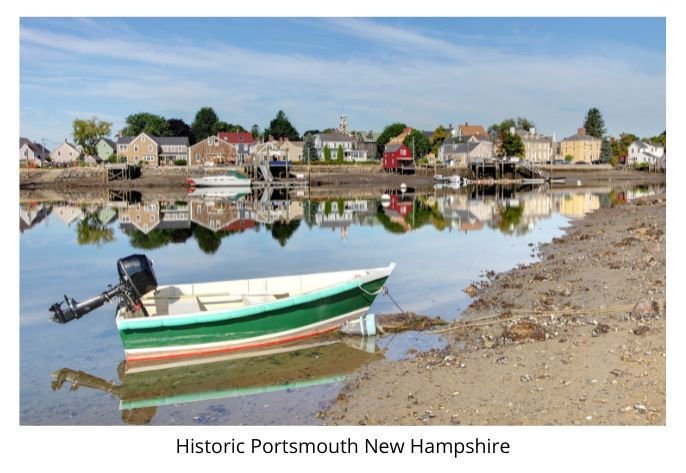
European exploration of the region began in the early 17th century, with English
fishermen establishing a seasonal fishing village on the Piscataqua River. In
1623, under the authority of an English land-grant company, the first permanent
settlement, named Strawbery Banke, later known as Portsmouth, was established.
New Hampshire was officially separated from Massachusetts in 1679, becoming a
royal colony. In the years leading up to the American Revolution, the region was
a hotbed of revolutionary fervor. It was in Portsmouth that Paul Revere made his
legendary ride to warn colonists of the approaching British forces, leading to
the seizure of Fort William and Mary and its cache of gunpowder.
The city of Concord, New Hampshire, became the state capital in 1808, a
reflection of the state's growth and shifting demographics. The 19th century saw
New Hampshire's economy flourish with industries such as textiles, shoes, and
timber. The advent of railroads bolstered this growth, linking the state more
effectively with markets in Boston and beyond.
The 20th century brought further growth and change to New Hampshire. As
manufacturing waned, the economy shifted towards services, with tourism becoming
a vital industry, thanks to the state's abundant natural beauty and outdoor
recreation opportunities. The state's political profile also rose, with its
first-in-the-nation presidential primary bringing candidates and media attention
every four years.
Today, New Hampshire stands as a testament to the resilience and resourcefulness
of its people. It is renowned for its high quality of life, its commitment to
civic engagement exemplified by its large, volunteer legislature, and its
steadfast dedication to preserving its natural beauty, seen in its state parks
and forests, and the stunning White Mountains.
Like the Old Man of the Mountain, the iconic stone face that watched over the
state until its collapse in 2003, New Hampshire's history is etched into the
rugged landscape and the hardy spirit of its people. It is a living narrative
that continues to evolve, informed by the past but looking towards the future.
As the state motto suggests, in New Hampshire, there is a deep-seated commitment
to "Live Free or Die."
Image: A silhouette of "The Old Man of the Mountain", a natural rock formation which resembles the profile of a man's face, found in Franconia Notch.
Text: "New Hampshire - Live Free Or Die".
Home | States/Provinces | Subjects
