Introduction
Everglades National Park: A Unique Wetland Preserve
Located at the southern tip of Florida, Everglades National Park is an expansive subtropical wetland that offers a unique blend of ecosystems not found anywhere else in the United States. It's one of the largest national parks in the country and has the distinction of being a World Heritage Site, an International Biosphere Reserve, and a Wetland of International Importance.
History
Preserving a Vital Ecosystem
Everglades National Park has a history that spans thousands of years, with indigenous peoples having inhabited the area for centuries. The park was established in 1934 to preserve the complex and fragile ecosystem of the Everglades, officially opening in 1947.
Unique Features
River of Grass and Coastal Mangroves
The park is best known for its 'River of Grass', a slow-moving water system that flows from Lake Okeechobee to Florida Bay. This vast, shallow river creates a unique landscape of marshes and prairies. The park also encompasses pine rocklands, hardwood hammocks, and coastal mangroves, providing a range of habitats for flora and fauna.
Biodiversity
A Refuge for Endangered Species
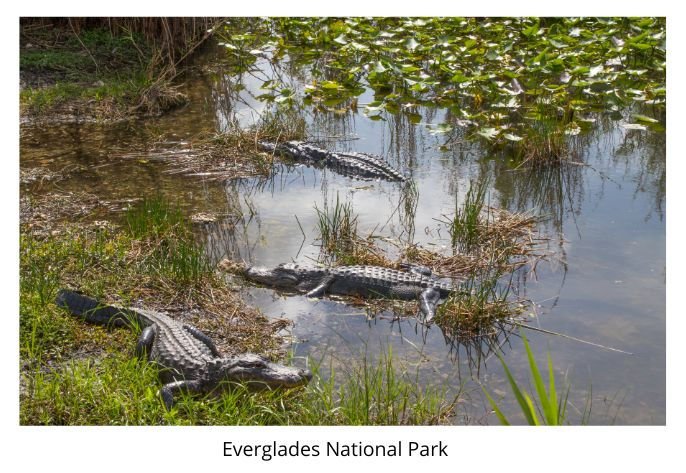
Everglades National Park is a biodiversity hotspot, providing a refuge for numerous plant and animal species. It is notably a vital habitat for many threatened and endangered species such as the American crocodile, the Florida panther, and the West Indian manatee.
Recreational Activities
Exploring the Wetlands
The Everglades offers a variety of recreational opportunities. Visitors can explore the park's scenic driving routes, hiking trails, and canoe and kayak routes. The park is also a prime location for bird-watching and fishing. Ranger-led programs provide an educational perspective on the park's diverse ecosystems.
Conservation Efforts
Restoring the Everglades
Conservation and restoration are crucial focuses at Everglades National Park. The park is part of the larger Everglades restoration effort, working to counter the effects of human intervention on this fragile ecosystem, preserve habitats, and protect endangered species.
Cultural Significance
Land of Many Stories
The Everglades hold deep cultural and historical significance. From the indigenous peoples who first inhabited the area, to early European settlers, and the conservationists who worked to protect it, the park's history is a narrative of human interaction with the natural environment. Today, it serves as a reminder of the importance of preserving our natural landscapes and the life they sustain.
Home | States/Provinces | Subjects
